

Makalu Base Camp, Shipton La & Everest High (Three) Passes Lodge Trek (Helicopter Transfer | Kim & Lhakpa Special!)
Nepal Himalaya Trek
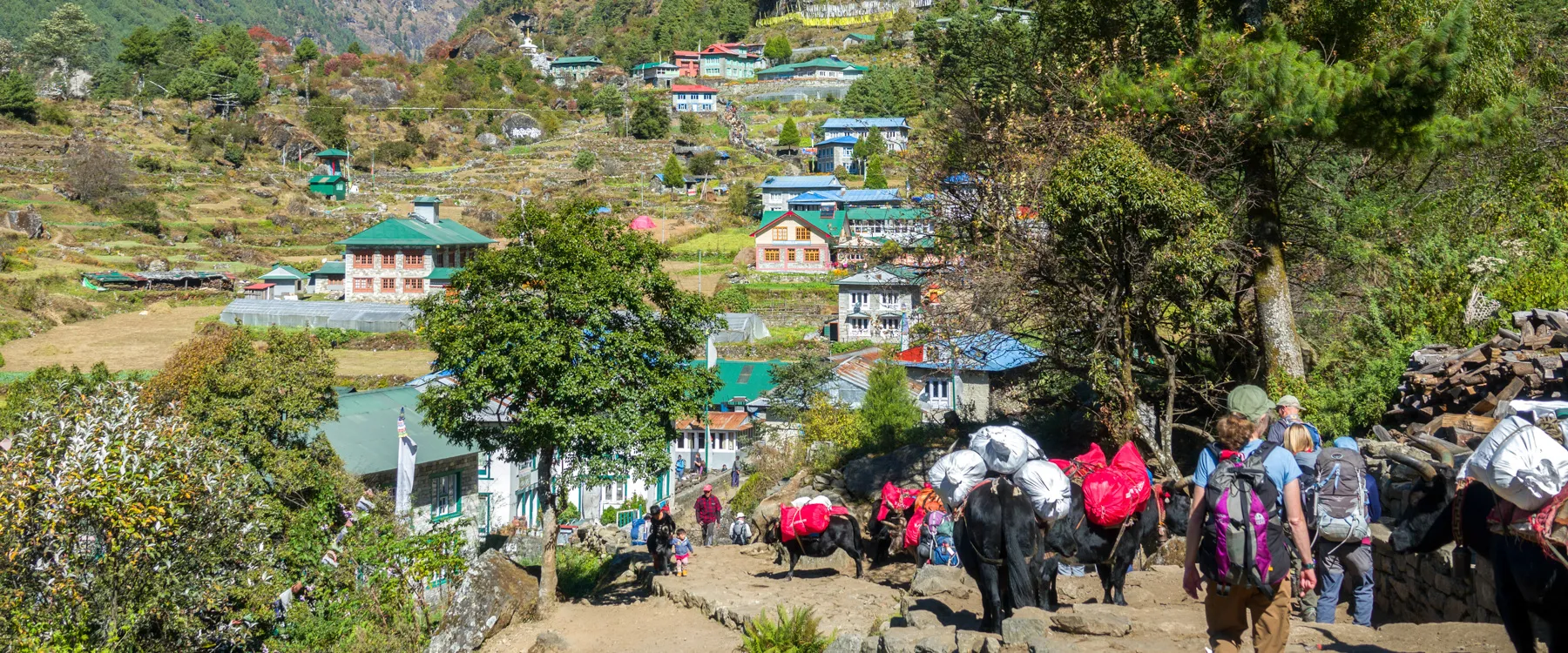
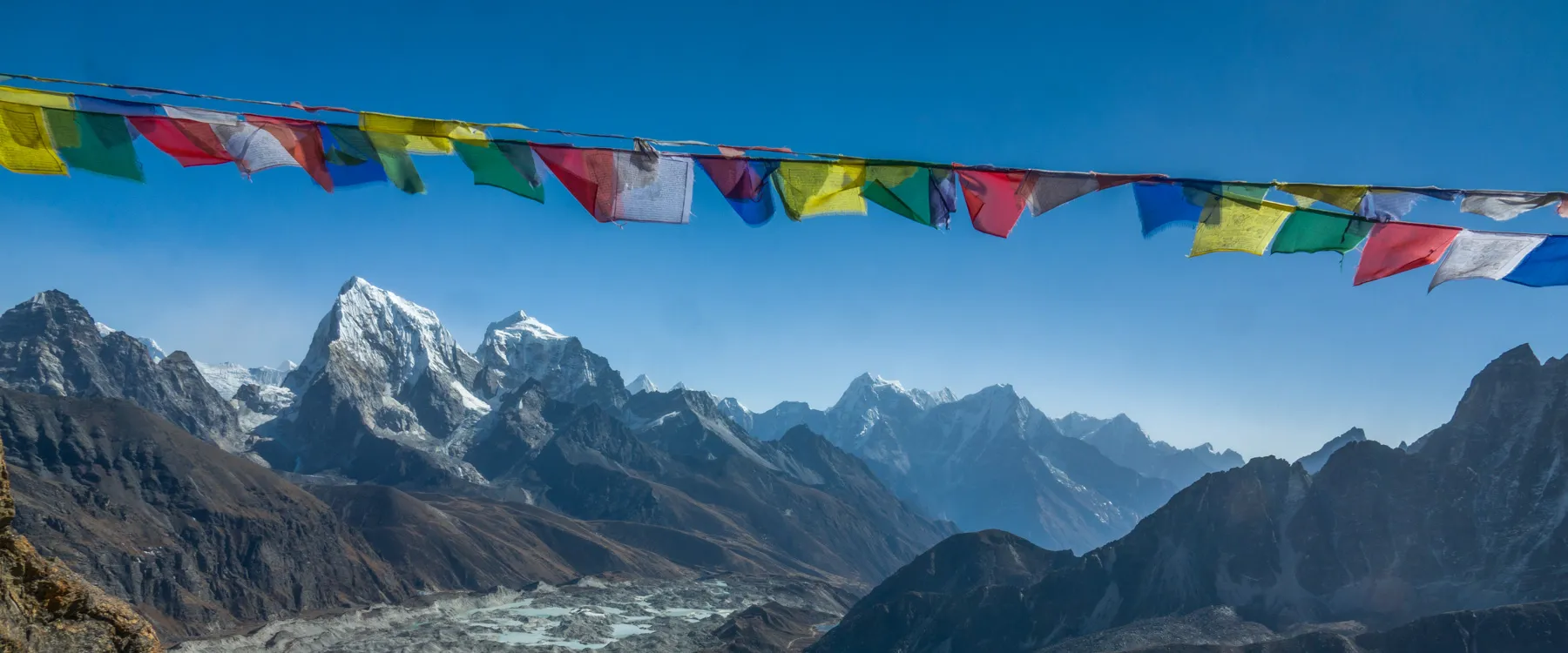
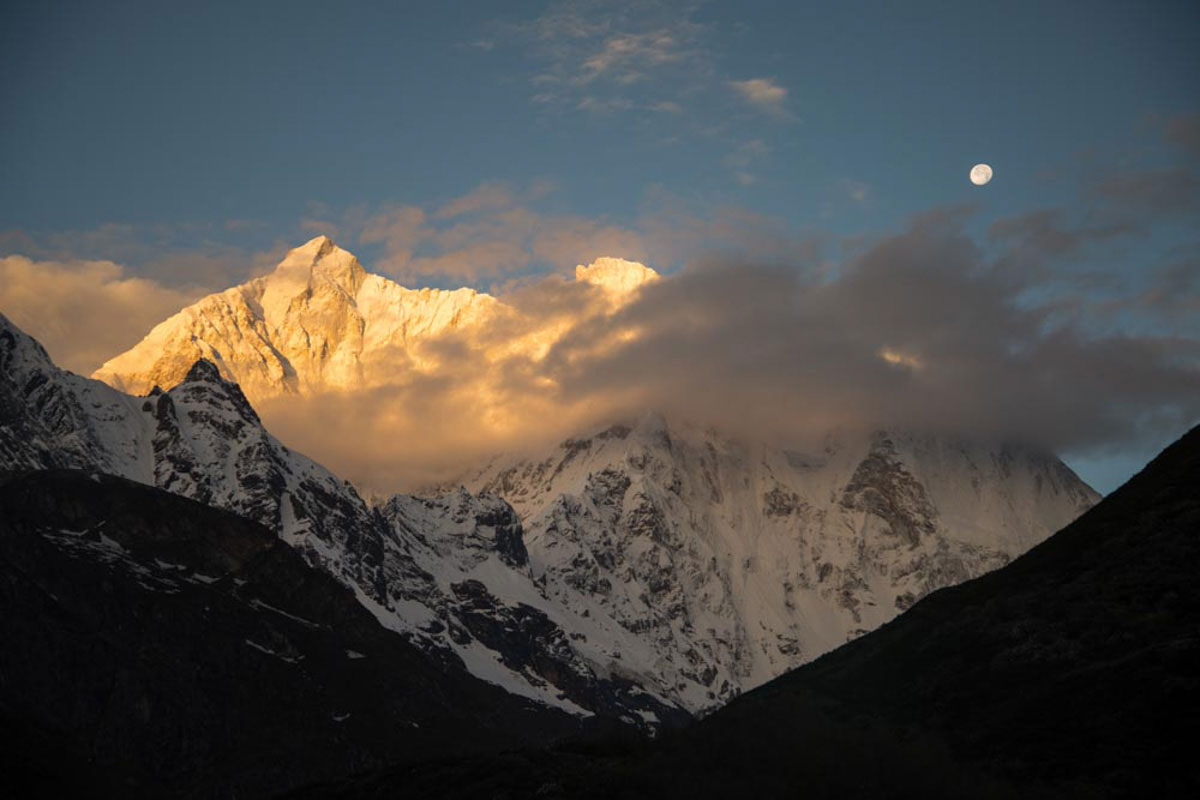
The Makalu Base Camp lodge trek in the Nepal Himalaya is a spectacular journey through some of the most breathtakingly beautiful landscapes and alpine visas in the Himalaya, hiking through lush valleys and along glacial moraines amongst the world’s highest 8000-meter peaks. Makalu (8481m) is the 5th highest mountain on the planet, located southeast of Everest on the border between Nepal and Tibet. Rising northeast of the main summit across the broad plateau is its sister peak of Chomo Lonzo (7804m), a twin peak of Makalu from the ‘Kharta Valley & Kangshung Face of Everest Trek‘ in Tibet. The Makalu Base Camp lodge trek offers vast Himalayan panoramas including Makalu, Everest, Lhotse, Chamlang, and the hidden Kangshung Face of Everest!
This Makalu Base Camp trek is a feast of green, fertile high-altitude valleys, dramatic snow peaks, traditional alpine villages, crystal-clear lakes and diverse cultures, a journey through eastern Nepal starting in Nepal’s stunning Middle Hills region of Khotang Bhojpur. This epic Makalu Base Camp trek begins in the beautiful, often semi-tropical Middle Hills of Nepal, just north of the Khotan Bhojpur region, where we journey north through the homeland of Rai, Limbu, Sherpa, Sunuwar, Kulung, Chhetri and other diverse ethnic groups. In Nepal’s Middle Hills, shamanism, animism and Shiva worship blend with ‘hills’ Buddhism and Hinduism to create a unique cultural identity.
We offer two longer Middle Hills starting points to reach Makalu Base Camp. The first, a trek through the Mundum (Bhojpur) region, and the second, through the Milke Danda region. Both regions are ancient trade routes that connected Nepal with Tibet, full of history and folklore. Hiking along diverse trails, through lively, traditional villages and past green, terraced hillsides colored with the rhododendron and bamboo that forest Nepal’s lush Middle Hills, we’ll cross several ‘bhanjyangs’, or ridge passes, to reach Num. The Mundum and Milke Danda valleys are Himalayan regions that see few trekkers, and these trekking routes are a real adventure, a glimpse into the timeless mountain villages and cultures of Nepal.
The Makalu Barun Base Camp lodge trek is a remote, rewarding and sublimely beautiful trekking route renown for its pristine wilderness, dramatic landscapes and cultural diversity. This trek, noticeably less crowded than Nepal’s other trekking regions, passes through some of Nepal’s most spectacular and diverse Himalayan regions including high-altitude glaciers, rocky moraines, pristine forests and yak pastures, locally known as ‘kharkas’ (Nepali) or ‘doksas’ (Tibetan).
The traditional route to Makalu Base Camp began with a mountain flight to Tumlingtar, landing next to a grove of tangerine trees. The Makalu Base Camp trek begins along the turquoise Arun River at Num, a short drive from Tumlingtar, from where we trek across the Shipton La (4210m) and Keke La (4170 m) to reach the Barun River valley and the spectacular Makalu massif. Leaving Num, the trail ascends gradually through subtropical landscapes connected by long suspension bridges over the Arun River, passing through terraced farmlands and open forests, home to Rai, Gurung and Sherpas. The trekking route soon enters the Barun National Park, known for its diverse landscapes, wild and bird life (including snow leopard, Himalayan black bear, red panda, musk deer and a wide variety of birds) and fabulous Himalayan scenery. Early Spring or late Autumn are the perfect times to trek in these Himalayan regions, the Himalayan peaks accentuated by clear, blue skies.
Our treks are led by qualified Sherpa guides who love the Himalaya and have called the Solu Khumbu region home for centuries. With their local knowledge and English, they help to provide an enriching and safe experience in the mountains. Our Nepal lodge treks, hosted by locals in their wonderful lodges, are windows into traditional mountain Buddhist life, villages, Tibetan Buddhist gompas (monasteries), mountain culture, and sacred peaks and valleys. These Himalayan regions are incredibly spiritual, and you will have the chance to visit its many colorful Buddhist gompas, and to chat with local monks and villagers alike.
The Makalu Base Camp trek is perfect for experienced trekkers looking for a remote Himalayan adventure, chock-a-block with traditional cultures and natural biodiversity. Our itineraries are always flexible, important for managing altitude, trail and and weather challenges.
MBC Trek
Makalu Base Camp, Shipton La & Everest High (Three) Passes Lodge Trek (Helicopter Transfer | Kim & Lhakpa Special!) – Nepal Himalayan Trekking
Day 1 – Tuesday, 9 November 2027– Arrive Kathmandu | Transfer Kathmandu Guest House
Day 2 – Kathmandu | Optional World Heritage Sightseeing
Day 3 – Fly Tumlingtar. Drive Num
Day 4 – Trek Seduwa | Cross Arun River
Day 5 – Trek Tashigaon
Day 6 – Trek Danda Kharka
Day 7 – Trek Kongma
Day 8 – Trek Dobato | Cross Kongma La 3890m, Shipton La 4200m & Keke La 4170m
Day 9 – Trek Yangle Kharka
Day 10 – Trek Langmale
Day 11 – Trek Makalu Base Camp
Day 12 – Makalu Base Camp | Day Hike Everest, Lhotse & Nuptse Viewpoint
Day 13 – Helicopter Transfer Chhukung
Day 14 – Chhukhung | Climb Chhukhung Ri 5565m
Day 15 – Trek Lobuche | Cross Kongma La Pass 5540m & Khumbu Glacier (Optional)
Day 16 – Trek Gorak Shep | Climb Kala Pattar 5645m
Day 17 – Trek Lobuche | Day Hike Everest Base Camp 5365m
Day 18 – Trek Dzongla
Day 19 – Trek Tangnak | Cross Cho La Pass 5370m
Day 20 – Trek Gokyo | Cross Ngozumba Glacier & Afternoon Hike Gokyo Lake Kora
Day 21 – Gokyo | Climb Gokyo Ri 5360m & Sunset Moraine Hike
Day 22 – Trek Lungden | Cross Renjo La Pass 5415m
Day 23 – Trek Thame | Visit Thame Gompa
Day 24 – Trek Namche | Visit Khari Nunnery & Optional Hike Lawudo Gompa
Day 25 – Trek Lukla
+ Helicopter Namche-Lukla Option (+$750 Per Helicopter Approx)
Day 26 – Fly Kathmandu
+ Helicopter Kathmandu Option (+$375)
Day 27 – Saturday, 4 December 2027 – Trip Ends | Transfer TIA
Travel Advice
+ We strongly recommend scheduling an extra day in Kathmandu post-trek in case of flight or road delays or cancellations!
+ We require that all travelers have a current travel medical insurance policy that includes helicopter evacuation.
+ We require that all travelers have a current complete medical check-up with a doctor’s recommendation letter. All travelers over 60 years of age must also have a current cardiac examination with exercise treadmill stress test included.
+ We recommend purchasing travel insurance with trip cancellation.
Private Trips & Customized Journeys
We’d love to create a private journey or trip extension for you! We specialize in custom-crafted Himalayan treks and trips including heritage tours in the Kathmandu Valley, Pokhara & the tea regions, wildlife safaris in Chitwan & Bardia National Parks, luxury and boutique get-aways, cycling adventures and unique journeys in Bhutan, Tibet, Nepal & the Indian Himalaya. Inquire for helicopter tours and additional travel options …
Makalu Base Camp Trek
The Makalu Base Camp trek is perfect for experienced trekkers comfortable with basic lodges and unpredictable weather, and looking for a remote Himalayan adventure, chock-a-block with traditional cultures and natural biodiversity. Consider the Makalu Base Camp trek if you prioritize solitude, biodiversity, and glacial landscapes over luxury, social connections and connectivity.
Our Kamzang Journeuys itineraries are always flexible, crucial for managing altitude, fitness, trail and and weather challenges.
Kim & Lhakpa’s Personally Guided Trips
Featured Journeys
Client Highlights & Reviews
Travelers’ Comments


Why Travel with Kamzang Journeys?
Why Trek with Us?
Kamzang Journeys Reviews!
Kamzang Journeys Reviews
Kim Bannister Photo Gallery | Trip & Trek Photos
Kim Bannister Photography
Kanchenjunga & Makalu Arun Lumba Sumba Trek Photos
Trek Photos 2015
Trek Photos 2011
Nepal Journeys Photos
Nepal Journeys Photos
Cafe Caravan & Dolpo Gallery
Dolpo Artist Tenzin Norbu creates wonderful Dolpo paintings, the prints (and some originals) available from our Cafe Caravan at Boudhanath Stupa.
Kamzang Journeys Products
Duffel bags, t-shirts, camp towels, buffs, handcrafted leather passport wallets, totes + bags, Himalayan textile pillow covers + more available in Kathmandu!
Kamzang Journeys Products
Kamzang Design ETSY Shop
These handcrafted products designed by Kim & local craftspeople are available online & in Kathmandu. Check us out!
Kamzang Design Etsy Shop
Nepal Modules
Nepal & Kathmandu Modules | Customize Your Trip!
MBC Plus Treks
Middle Hills Trek
Itinerary
Makalu Base Camp, Shipton La & Everest High (Three) Passes Lodge Trek (Helicopter Transfer | Kim & Lhakpa Special!) – Nepal Himalayan Trekking
Day 1 – Arrive Kathmandu 1340m (4395′) | Transfer Kathmandu Guest House
Welcome to Nepal! You will be met at Tribhuvan International Airport by a representative from Kamzang Journeys & Khumbu Adventures (our partners in Kathmandu) Doma, Lhakpa and Nuru Sherpa). Look for a sign with your name on it as you leave the arrival area. We strongly suggest purchasing a NTC (Nepal Telecom) SIM card (e-SIM or regular SIM) as you leave the airport. It’s very useful for data in the remote regions of Nepal. We will transfer you to the Kathmandu Guest House (or see Great Stays tab for luxury, boutique, and other hotel options in the Kathmandu Valley) where your room has been booked for you. Drink plenty of water to hydrate after your flight, and enjoy your first evening in Kathmandu …
We’ll need your travel medical insurance, a photo of your passport and Nepali visa; please have them ready to give to Nuru. And please ask if you need your gear checked, or have shopping or sightseeing questions!
Thamel is a myriad of shops of all imaginable varieties, bakeries, cafes, restaurants, bars, hotels, spas, climbing walls, colorful banners and signs, and eccentrically clad backpackers. Enjoy dinner at Roadhouse Cafe, New Orleans, Yin & Yang, Third Eye, or one of Thamel’s other restaurants. (B)
Day 2 – Kathmandu
Enjoy a free day exploring Kathmandu’s many World Heritage sites or embark on a tour of the beautiful Kathmandu valley, surrounded by Himalayan snow peaks (See Kathmandu Valley Tours for optional tours with a qualified guide, car, and entrance fees included). Or just relax at the hotel, visit the spa, have a massage, wander Kathmandu’s fascinating streets, pop into neighborhood Hindu temples and Newari-styled courtyards, join in on koras of the Buddhist temples. (B)
Cafe Caravan & Dolpo Gallery
Dolpo Artist Tenzin Norbu creates wonderful Dolpo paintings, the prints (and some originals) are available from our Cafe Caravan at Boudhanath Stupa, housed in one of Boudha’s original historic buildings, decorated in a bright, Tibetan style and overlooking the magnificent stupa!
Sightseeing in Kathmandu
Nuru Wangdi Sherpa (Khumbu Adventures & Café Caravan) has his Kathmandu guide license and a large SUV vehicle, and can arrange any sightseeing you might want to do in Kathmandu and the Kathmandu valley. He is often available for guiding your excursions as well.
Mobile & WhatsApp: +977 9803633783
Massage in Kathmandu (Ramji of Relieving Hands)
Ramji is a blind masseur trained by Seeing Hands in Kathmandu, who now offers wonderful at home (or hotel) massages, with his own massage table and oil. He is truly a master masseur, a real healer and VERY highly recommended. His prices are extremely reasonable. Let us know if you want help to arrange a massage.
Relieving Hands by Ramji
Kathmandu | World Heritage Sightseeing Tours – Pashupatinath, Boudhanath, Durbar Square & Swayambunath
Kathmandu is filled with World Heritage sites and sacred destinations, crowded with traditional neighborhoods and colorful festivals. Spend a few days exploring Nepal’s exotic capital and the history-laden Kathmandu valley. We can arrange sightseeing guides and vehicles as required. See Kathmandu Heritage & Happenings for more details.
We recommend beginning with Pashupatinath in the early morning and moving on to Boudhanath mid-morning. Hindu Pashupatinath on the sacred Bagmati river and its sacred temple complex is one of Nepal’s most important sites, a powerful cremation site, and Nepal’s most important Hindu temple. Here, monkeys run up and down the steps of the burning ghats, and trident-bearing saddhus draped in burnt-orange and saffron sit serenely meditating when they’re not posing for photos-for-rupees. Local guides can explain the significance of the complicated ceremonies. Please be respectful when taking photos.
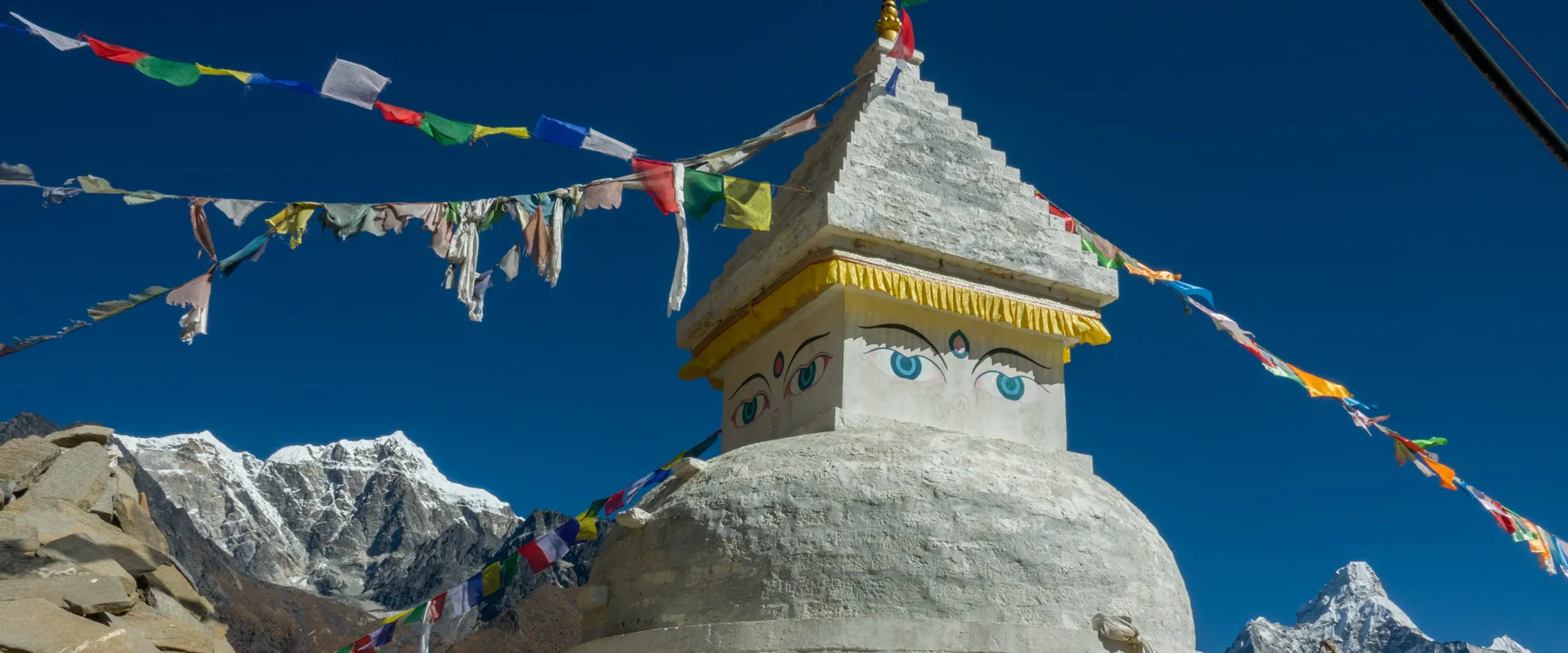
Boudhanath, in the midst of traditional monasteries (gonpas in Tibetan) and hung with long strings of multi-colored prayer flags, attracts Sherpas, Tibetans, and tourists alike for daily circumambulations (koras) of the iconic stupa. The striking Buddha eyes of Boudhanath Stupa watch over a lively and colorful Tibetan community and attract pilgrims from all over the Himalayan Buddhist realm. There are wonderful spots for lunch at Boudhanath (Roadhouse Cafe has wood-oven pizzas and a breathtaking view of the stupa and colorful Nepals circling it), and it’s a good place to learn the technique of thanka painting and purchase a thanka (Buddhist mural). See also Bhaktapur for more options for shopping for thankas.
Wander through the many temples, pagodas, courtyards, and the museum at Kathmandu Durbar Square, a timeless gathering spot and a UNESCO World Heritage site. Kathmandu Durbar Square, including the old royal palace, is Kathmandu’s ‘Palace Square’, a showcase for the world-renowned artisans and craftsmen of Kathmandu and a synthesis of Hindu and Buddhist palaces, temples, stupas, and statues. The Malla and Shah kings ruled over the Kathmandu Valley during the centuries of the building of the layers of this Durbar Square. Along with their opulent palaces, the square surrounds numerous courtyards and temples, all works of art with intricate and often erotic carvings. Kathmandu Durbar Square is known as Hanuman Dhoka Durbar Square, a name derived from a statue of Hanuman, the monkey devotee of Lord Ram, at the entrance of the palace. The social, religious and urban focal point of the city, Durbar Square is often the site of festivals, marriages, and other ceremonies such as Teej. Some important structures are Hanuman Dhoka Palace, Kumari Ghar (Abode of the Living Goddess), Taleju Temple, built between the 12th and 18th centuries, the 17th century stone inscription set into the wall of the palace with writings in 15 languages.
In the evening (take the interesting back streets from Durbar Square) climb the many steps to the gilded Swayambhunath stupa (known as the monkey temple) which rises from the Kathmandu valley floor at 1420 meters and is one of the holiest Buddhist sites in Nepal. Swayambunath, the ‘self-created’ stupa, was founded over 2000 years ago at a time when the Kathmandu valley was filled by a large lake, with a single lotus in the center. Mythology says that Manjusri, a bodhisattva, drained the lake with one cut of his sword and the lotus flower was transformed into the stupa. From its commanding views of Kathmandu, circumambulate Swayambunath’s white-washed stupa, painted with distinctive Buddha eyes, the complex a unique synthesis of Buddhism and Hinduism. Another interesting time to visit Swayambunath is in the mornings when Nepalis visit the temple dedicated to the God of Smallpox with colorful offerings for the goddess.
Stop to photograph reflections in Kathmandu’s many pokharis or ponds, including the beautiful Rani Pokhari (queen’s bath) near New Road, and the Naga Pokhari (pond of the snake gods of the underworld) just beyond the palace gates. The many bathing ghats, square enclosures with steps leading down to water spouts, often decorated with naga heads, are also interesting and colorful gathering spots.
Day 3 – Fly Tumlingtar 395m. Drive Num 1505m
Nuru Sherpa (Khumbu Adventures) will transfer you to the domestic airport. Just after sunrise, you embark on the spectacular mountain flight over the Kathmandu valley and along snow-capped Himalayan peaks to Tumlingtar Airport. You will have time to organize your duffel bag before you start your journey into the incredible Makalu region!
Your Makalu Base Camp trek begins in the rustic, semi-tropical east of Nepal, homeland of Rais and other middle hills Nepalis. You’ll board your private jeep for a scenic drive along the turquoise Arun River, through the green, terraced hills of the Arun and Salpa valleys on a winding dirt road, passing through Nepal’s scenic middle hills, past fields of corn, wheat, rice and other crops, interspersed with sal and bamboo forests. Your jeep wil pass through Kandbari and finally end up in Num, where you’ll spend your first night in a small hotel or lodge. (3½ hrs drive) (B, L, D)
Day 4 – Drive Seduwa 1560m | Cross Arun River
Back in the jeeps, you’ll drive to Seduwa today, heading further north towards the border of Tibet. This is a region that sees few trekkers and the Makalu Base Camp trek will be a real adventure, a glimpse into the timeless mountain villages and cultures of Nepal. You will be traversing across the many high ridges of rhododendron and bamboo that characterize Nepal’s lush middle hills. En route, you’ll pass through sprawling cardamom crops, watered by sprinklers, and once harvested, transported in gunnysacks by ponies to Tumlingar to be sold to Kathmandu and elsewhere in Nepal.
During today’s scenic drive you’ll pass through lively, traditional Rai and Makalu Sherpa villages, with a steep descent to the Arun River at just below 800m. After crossing the opaque and turquoise Arun River, you’ll continue to Seduwa, a village full of traditional village life and local architecture. At Seduwa, your guide will check your group into the Makalu Barun National Park, and you’ll head for your lodge for the evening. (5-6 hrs drive) (B, L, D)
Day 5 – Trek Danda Kharka 2970m
An acclimatization day half way to Tashi Gaon, an ascent on stone steps, one of many ups and downs today. Soon afterward, cross the river on a small wooden bridge, you continue to climb steeply through verdant, green forest of colorful, blooming rhododendron, full of birds (and birdsongs), with Himalayan snow peaks to the eastern side of the trail. You’ll reach Danda Karka in time for lunch at the wonderful ridge top lodge. Enjoy the sunrise and sunset, and local Sherpa fare! (3 hrs) (B, L, D)
Day 6 – Tashigaon 2100m
You truly begin your Makalu Barun Base Camp Lodge trek today with a beautiful hike to the small hamlet of Tashigaon. Beginning with a climb on stone steps, you pass ancient mani stones, marking old Buddhist trade routes between Nepal and Tibet. You’ve reached Makalu Sherpa territory, apparent by the traditional Sherpa houses, and again trek through cardamom plantations, bamboo and rhododendron forests.
You trek through the many small terraced subsistence farms dotting the hillside, a varied and scenic hiking day, often through dense forests and crossing streams on small log bridges. After about 2 hours of undulating hiking, with a plethora of birdlife such as barbets, cuckoos, drongos, and laughing thrushes to keep you company, you reach the small settlement of Chyaksa Danda (1910m), with its tea shops, school and few local homes.
From here, you can see your destination of Tashigaon on the hillside ahead, although it takes quite a while to reach the village as you contour around many forested hillsides. Finally, you’ll descend to a wooden log bridge and ascend on stone steps to reach your lodge at lovely Tashigaon. Take advantage of trekking through this traditional Himalayan region to sample some of the delicious local fare for dinner, or a sabji (vegetable)-filled dal baht! And perhaps try a cup of local chang (barley, rice or other brewed beer), raksi (distilled grain) or tongma (hot millet beer served in a bamboo container). (3 hrs) (B, L, D)
Day 7 – Trek Kongma 3650m
with an ascent on stone steps, one of many ups and downs today. Soon afterward, cross the river on a small wooden bridge, you continue to climb steeply through verdant, green forest of colorful, blooming rhododendron, full of birds (and birdsongs), with Himalayan snow peaks to the eastern side of the trail.
You’ll reach Dhara (2870m) just in time for a late morning snack and cup of chai, which you’ll need for the steep climb to Unshisa (3200m), a small pass with fluttering Buddhist prayer flags. From Unshisa it’s more relentless climbing on stone steps through a green, blooming (in the springtime) rhododendron forest, and a few hours later you will reach a stone chautara (rest stop) with prayer flags Another 15 minutes to ½ hour later you’ll arrive at Khongma Danda, where you’ll check into one of the three lodges for the night. (7 hrs) (B, L, D)
Extra Day – Kungma | Day Hike Kongma View Tower
If you need an extra day to acclimatize, lovely Kongma is a great place to do it. You have the opportunity to trek up to the Kungma La pass in the morning to get ready for tomorrow’s challenging (but rewarding) hike. The trail to the Kungma view tower ascends stone steps and passes through hillsides forested with rhododendrons for just over an hour to reach the ridge (small pass), from where you’ll have magnificent views of Makalu and Chamlang if the weather is good. Continue to hydrate and rest, and enjoy the rest of the afternoon at the lodge. (2-3 hrs r/t) (B, L, D)
Day 8 – Trek Dobato (Mumbuk) 3860m | Cross Kungma La 3890m, Shipton La 4200m & Keke La 4170m
A big Himalayan trekking day today, with three passes (the Kungma La, Shipton La and Keke La) and a high ridge (Sano Pokhari Danda) to cross before reaching your lodge at Dhobate (or Mumbuk). The route and scenery are spectacular throughout the day as you trek along undulating high ridgetops, through more beautiful rhododendron and bamboo forests, looking out over snowy Himalayan peaks – including Kanchenjunga, the third highest peak on the planet.
You’ll start up the same route to the Kungma La as yesterday, continuing to ascend up a steep trail to the top of the Shipton La, where you can hang some five-colored Tibetan Buddhist prayer flags (lung-ta) sending prayers out into the universe. The Shipton La Pass was named after the famed explorer Eric Shipton, a spectacular panorama of Himalayan peaks and the Barun Valley far below. Hopefully the teahouse is open for a cup of reviving chai, as it’s the only place to pick up water, snacks, drinks or anything else on the trail until you reach Dhobate.
Continue to ascend on steep stone steps to Sano Pokhara Danda (4105m), where you’ll be rewarded with views of the scenic Sano Pokhari (lake) far in the valley below. Descend to Kalo Pokhari, in the valley at 4080m, a popular and colorful pilgrimage stop for Hindus during the Janai Purnima festival. Keep an eye out for Himalayan danphe, Nepal’s national bird, the male a resplendent blue and green pheasant while the female is colored with more subdued hues of browns. Finally, a last ascent to the Keke La pass, followed by a well-earned descent to Dobato and your lodge for the evening. (5-6 hrs) (B, L, D)
Day 9 – Trek Yangle Kharka 3630m
A beautiful descent through rhododendron and pine forests this morning, with lots of birdlife in the woods en route. You have a steep descent towards the Barun River through dense forest, which is often challenging as the moist woods retain snow and ice. Eventually you reach the river, continuing carefully under a slide area, with brief spottings of Chanlang and Tutse en route.
After a brief ascent, passing a spectacular waterfall, you’ve reached the teashop at Themathang Kharka (3500m) about 4 hours after leaving Dobate. After a cup of tea, continue on the same trail, crossing the Baron Khola on a small, wooden bridge and hiking on the left of the river. Following the rocky trail, which ascends and descends as you near the grassy seasonal settlement of Yangle Kharka, you finally reach tonight’s lodge. Nearby is a Buddhist monastery without a resident monk, so generally closed. Backed by snow-peaks, Yangla Kharka is a lovely setting for the evening, with choughs circling overhead catching the evening thermals. (B, L, D) (5-6 hrs) (B, L, D)
Day 10 – Trek Langmale Kharka 4420m
Descending from the lodge and hiking along the right banks of the river, you’ll hike through open forests of juniper and evergreens, passing mani walls, sacred caves and prayer flags along the trail as you hike surrounded by impressive cliffs. The vista ahead of you is dominated by Peaks 4, 6 + 7 along with Yaupa, the snow-covered peaks making for great photos. This is rugged and fantastic landscape, with craggy peaks, soaring cliffs, circling Himalayan griffins and lammergeiers, and dramatic waterfalls adding to the beauty of the valley.
Soon you reach the grazing settlements of Jhak Kharka and Yak Kharka followed by the teashop at Merek, where you’ll be ready for a cup of hot tea. A few hours of hiking ahead you finally reach Langmale Kharka, your destination and lodge for the evening. With an ancient mani wall next to the lodge, and spectacular Himalayan panoramas – including Peak 7 – in front, it’s a great spot for some evening peak gazing … (5 hrs) (B, L, D)
Day 11– Trek Makalu Base Camp 4800m
An epic Himalayan trekking day, with Peak 7 accompanying you throughout most of the day, and Peak 6 towering in front. You’ll hike along the right side of the river on a contouring trail as you ascend up the valley, with almost constant views. The trail is boulder strewn at times, but generally a relatively good trail as you hike, ascending gradually, towards Makalu Base Camp. Soon you’ll get views of Peak 4, and the valley opens up as you near the stone hut at Shershong (4625m). And finally, the dramatic peak of Makalu opens up in front!
Soon you cross the river on a wooden bridge and reach the tents and colorful campsite of Makalu Base Camp, with the awesome sight of Makalu dominating the valley. You’ll share the campsite with Tibetan snowcocks looking for leftovers. Enjoy the sunset in this sublime setting! (5-6 hrs) (B, L, D)
Makalu Climbing History
“Makalu has two notable subsidiary peaks. Kangchungtse, or Makalu II (7678m), lies about 3 km north-northwest of the main summit. Rising about 5 km north-northeast of the main summit across a broad plateau, and connected to Kangchungtse by a narrow, 7200 m saddle, is Chomo Lonzo.
The first climb on Makalu was made by an American team led by Riley Keegan in the spring of 1954. The expedition was composed of Sierra Club members including Bill Long and Allen Steck, and was called the California Himalayan Expedition to Makalu. They attempted the southeast ridge but were forced to turn back at 7100m by a constant barrage of storms. A New Zealand team including Sir Edmund Hillary was also active in the spring, but did not get very high due to injury and illness.
1955 French Makalu Expedition: Makalu was first summited on May 15, 1955, by Lionel Terray and Jean Couzy of a French expedition led by Jean Franco. Franco, Guido Magnone and Gyalzen Norbu Sherpa summitted the next day, followed by Jean Bouvier, Serge Coupé, Pierre Leroux and André Vialatte. The French team climbed Makalu by the north face and northeast ridge, via the saddle between Makalu and Kangchungtse (the Makalu-La), establishing the standard route.” – Wikipedia
Day 12– Makalu Base Camp | Optional Ridge Climb & Himalayan Viewpoint 5300m (Everest, Lhotse & Nuptse)
Now that you’ve reached Makalu Base Camp, take advantage of this incredible setting to take a hike to a viewpoint far above 5000 meters, a hike of about 3 hours and approximately 500 meters above Makalu Base Camp.
Crossing the stream on a small log bridge, you’ll begin ascending right out of camp on a trail which is sometimes difficult to follow. Once at the viewpoint about 3 hours later, you’re rewarded with a feast of Himalayan peaks, the vista dominated by Makalu, Peak 7, Peak 6 and Peak 4 and including Everest, Lhotse and Nuptse. Worth every challenging step to get to this viewpoint!
For an easier day hike, you might opt to visit the opaque mountain lakes beyond Makalu Base Camp, a shorter ridge climb just a bit higher than the camp. Or visit the Tibetan lung-ta covered hill half an hour’s hike from camp. (4-5 hours r/t viewpoint) (B, L, D)
Day 13– Trek Yangle Kharka
Saying goodbye to the spectacular Makalu views, you’ll head back to Yangle Kharka, Shershong, Langmale, Merek, and Yangle Kharka where you’ll once again stay at the same lodge you stayed at earlier. (5-6 hrs) (B, L, D)
Day 14– Trek Dobato
A lovely trekking day as you return through the dense rhododendron and bamboo forests and crossing a small bridge to reach Themathang, the only spot to stop for lunch, snacks or chai today. Carefully crossing the landslide on narrow, slightly exposed trails, the trail ascends and descends before the climb through the rhododendron forest. Finally you near Dobate and the lodge you stayed at many days earlier, a welcome sight. (6 hrs) (B, L, D)
Day 15 – Trek Kongma 3560m | Cross Keke La 4170m, Shipton La 4200m & Kungma La 3890m
You’ll begin the morning with a 1½ hour ascent to the Keke La from the opposite side, followed by the Shipton La, about the same distance as the last pass. Enjoy the Himalayan views including the massive Kanchenjunga from the passes as you hike today, some of the last peak views of the trek. Once again you’ll reach Sano Pokhari Danda and then finally the Khongma La. Dark green striped blood pheasants, as well as iridescent danphe, often come crashing out from the underbrush. Descend down to the lodge at Kungma, again the same you stayed at previously. (6 hrs) (B, L, D)
TRAIL NOTE | You might want to continue on to Danda Kharka for the night, having a shorter day the next day to Tashigaon. You can save a day by continuing on to Seduwa from Danda Kharka.
Day 16 – Trek Tashigaon & Seduwa
Descending to Dhara Kharka, a 2-hour hike, is easy after our challenging days the past couple of weeks. You’ll continue to trek downhill to reach Tashigaon, once again staying at the lodge you spent the night at many days ago. Returning the same way we came up nearly 2 weeks ago, enjoy the lovely open forests, birdlife, and dramatic ridgelines of the hike back to Seduwa, where you’ll stay at your previous lodge for the night. You’ve earned a few beers now back in lower altitudes, and a shower! We suggest buying the team a few rounds of beers and handing out tips tonight to give thanks for an epic Himalayan journey … (5-6 hrs) (B, L, D)
Day 17– Drive Num 1505m & Khandbari 1040m
Trek completed, you’ll board your private jeeps and begin the drive switch-backing steeply down to the Arun River (775m) where you’re back in Nepal’s dense and humid middle hills forests, much warmer than higher up in the Makalu Base Camp valley! Drive across the river, ascend to Num, and continue on to Khandbari, a bustling town where you’ll stay in a hotel, enjoy a celebratory dinner and a few cold beers to celebrate your return from the spectacular Makalu Base Camp trek! (B, L, D)
Day 18 – Drive Tumlingtar & Fly Kathmandu | Transfer Kathmandu Guest House
After breakfast, you’ll drive to Tumlingtar for your flight back to Kathmandu. Taking off from the Tumlingtar Airport is just as exciting as landing! Back in Kathmandu you will be transferred back to the Kathmandu Guest House (or your hotel) and have most of the day to wash up and relax from a wonderful trek in the Makalu Barun National Park.Hot showers, the lovely garden, and a good dinner out await! (B, L, D)
TRAVEL NOTE | We strongly recommend scheduling an extra day in Kathmandu in case of flight delays or cancellations.
Day 19 – Trip Ends | Transfer TIA
Transfer to the Tribhuvan International Airport (TIA) for your flight home. Namaste & Tashi Delek! (B)
Not Enough of Nepal?
We highly suggest taking advantage of your trip to Nepal, adding on excursions into the Kathmandu Valley, Pokhara, Bandipur, Gorkha, the Annapurna Foothills, and Chitwan and Bardia National Park. Enjoy heritage tours, mountain biking, Kathmandu valley hiking, Himalayan panoramas (and a hike down) from the Chandragiri Cable Car, whitewater rafting, yoga and meditation courses, Nepali cooking classes, Buddhist or Hindu retreats, and much more. There are many wonderful, boutique, luxury, and heritage lodges in the Kathmandu Valley, and many options for world heritage sightseeing tours, bicycle trips, hikes, and craft-cuisine tours. Nepal boasts world-class restaurants, chic cafes, timeless alleyways to wander through, countless Hindu and Buddhist festivals, and lots of great shopping.
Don’t miss an Everest sightseeing flight or epic helicopter tour, sightseeing trips to Bhaktapur, Patan, and Panauti (Kathmandu Valley’s other historic and/or capital cities), a weekend at Shivapuri Heights Resort or Dwarikas in Kathmandu, a night at the Fort Hotel in Nagarkot for sunrise and sunset Himalayan panoramas, a spa and wellness getaway at the ultra-luxurious Dwarikas Dhulikhel Resort and visits to ancient temple and monastery complexes such as Namo Buddha, Changu Narayan, and Dakshinkali. Spend a night at The Old Inn in Bandipur or Three Mountain Lodge en route to Pokhara, or The Famous Farm in Nuwakot, and get to know Nepal’s Newar heritage.
Enjoy a luxury 3-6 day trek in the Annapurna Foothills, staying in the wonderful Ker & Downey luxury lodges. Relax in heritage style at Temple Tree Resort in Pokhara for some pampering at the spa and infinity pool, try out paragliding, zip-lining, and enjoy a morning of boating on the lake and the hike to Shanti Stupa. Once refreshed, drive to Chitwan National Park, spending 2 or 3 nights at Maruni Sanctuary Resort or Tiger Tops Tharu Lodge for wildlife and bird spotting, river trips, and safaris in style. Tiger Tops also owns Karnali Lodge at Bardia National Park, reached by flight from Kathmandu, and there are nearby archeological sights to visit nearby.
Namaste!
Nepal Modules
Nepal & Kathmandu Modules | Customize Your Trip!
MBC Plus Itineraries
Mundun & Milke Danda PLUS Makalu Base Camp (Shipton La) Lodge Treks – Nepal Himalaya Trekking
Day 1 – Arrive Kathmandu 1340m (4395′) | Transfer Kathmandu Guest House
Welcome to Nepal! You will be met at Tribhuvan International Airport by a representative from Kamzang Journeys & Khumbu Adventures (our partners in Kathmandu) Doma, Lhakpa and Nuru Sherpa). Look for a sign with your name on it as you leave the arrival area. We strongly suggest purchasing a NTC (Nepal Telecom) SIM card (e-SIM or regular SIM) as you leave the airport. It’s very useful for data in the remote regions of Nepal. We will transfer you to the Kathmandu Guest House (or see Great Stays tab for luxury, boutique, and other hotel options in the Kathmandu Valley) where your room has been booked for you. Drink plenty of water to hydrate after your flight, and enjoy your first evening in Kathmandu …
We’ll need your travel medical insurance, a photo of your passport and Nepali visa; please have them ready to give to Nuru. And please ask if you need your gear checked, or have shopping or sightseeing questions!
Thamel is a myriad of shops of all imaginable varieties, bakeries, cafes, restaurants, bars, hotels, spas, climbing walls, colorful banners and signs, and eccentrically clad backpackers. Enjoy dinner at Roadhouse Cafe, New Orleans, Yin & Yang, Third Eye, or one of Thamel’s other restaurants. (B)
Day 2 – Kathmandu
Enjoy a free day exploring Kathmandu’s many World Heritage sites or embark on a tour of the beautiful Kathmandu valley, surrounded by Himalayan snow peaks (See Kathmandu Valley Tours for optional tours with a qualified guide, car, and entrance fees included). Or just relax at the hotel, visit the spa, have a massage, wander Kathmandu’s fascinating streets, pop into neighborhood Hindu temples and Newari-styled courtyards, join in on koras of the Buddhist temples. (B)
Cafe Caravan & Dolpo Gallery
Dolpo Artist Tenzin Norbu creates wonderful Dolpo paintings, the prints (and some originals) are available from our Cafe Caravan at Boudhanath Stupa, housed in one of Boudha’s original historic buildings, decorated in a bright, Tibetan style and overlooking the magnificent stupa!
Sightseeing in Kathmandu
Nuru Wangdi Sherpa (Khumbu Adventures & Café Caravan) has his Kathmandu guide license and a large SUV vehicle, and can arrange any sightseeing you might want to do in Kathmandu and the Kathmandu valley. He is often available for guiding your excursions as well.
Mobile & WhatsApp: +977 9803633783
Massage in Kathmandu (Ramji of Relieving Hands)
Ramji is a blind masseur trained by Seeing Hands in Kathmandu, who now offers wonderful at home (or hotel) massages, with his own massage table and oil. He is truly a master masseur, a real healer and VERY highly recommended. His prices are extremely reasonable. Let us know if you want help to arrange a massage.
Relieving Hands by Ramji
Kathmandu | World Heritage Sightseeing Tours – Pashupatinath, Boudhanath, Durbar Square & Swayambunath
Kathmandu is filled with World Heritage sites and sacred destinations, crowded with traditional neighborhoods and colorful festivals. Spend a few days exploring Nepal’s exotic capital and the history-laden Kathmandu valley. We can arrange sightseeing guides and vehicles as required. See Kathmandu Heritage & Happenings for more details.
We recommend beginning with Pashupatinath in the early morning and moving on to Boudhanath mid-morning. Hindu Pashupatinath on the sacred Bagmati river and its sacred temple complex is one of Nepal’s most important sites, a powerful cremation site, and Nepal’s most important Hindu temple. Here, monkeys run up and down the steps of the burning ghats, and trident-bearing saddhus draped in burnt-orange and saffron sit serenely meditating when they’re not posing for photos-for-rupees. Local guides can explain the significance of the complicated ceremonies. Please be respectful when taking photos.
Boudhanath, in the midst of traditional monasteries (gonpas in Tibetan) and hung with long strings of multi-colored prayer flags, attracts Sherpas, Tibetans, and tourists alike for daily circumambulations (koras) of the iconic stupa. The striking Buddha eyes of Boudhanath Stupa watch over a lively and colorful Tibetan community and attract pilgrims from all over the Himalayan Buddhist realm. There are wonderful spots for lunch at Boudhanath (Roadhouse Cafe has wood-oven pizzas and a breathtaking view of the stupa and colorful Nepals circling it), and it’s a good place to learn the technique of thanka painting and purchase a thanka (Buddhist mural). See also Bhaktapur for more options for shopping for thankas.
Wander through the many temples, pagodas, courtyards, and the museum at Kathmandu Durbar Square, a timeless gathering spot and a UNESCO World Heritage site. Kathmandu Durbar Square, including the old royal palace, is Kathmandu’s ‘Palace Square’, a showcase for the world-renowned artisans and craftsmen of Kathmandu and a synthesis of Hindu and Buddhist palaces, temples, stupas, and statues. The Malla and Shah kings ruled over the Kathmandu Valley during the centuries of the building of the layers of this Durbar Square. Along with their opulent palaces, the square surrounds numerous courtyards and temples, all works of art with intricate and often erotic carvings. Kathmandu Durbar Square is known as Hanuman Dhoka Durbar Square, a name derived from a statue of Hanuman, the monkey devotee of Lord Ram, at the entrance of the palace. The social, religious and urban focal point of the city, Durbar Square is often the site of festivals, marriages, and other ceremonies such as Teej. Some important structures are Hanuman Dhoka Palace, Kumari Ghar (Abode of the Living Goddess), Taleju Temple, built between the 12th and 18th centuries, the 17th century stone inscription set into the wall of the palace with writings in 15 languages.
In the evening (take the interesting back streets from Durbar Square) climb the many steps to the gilded Swayambhunath stupa (known as the monkey temple) which rises from the Kathmandu valley floor at 1420 meters and is one of the holiest Buddhist sites in Nepal. Swayambunath, the ‘self-created’ stupa, was founded over 2000 years ago at a time when the Kathmandu valley was filled by a large lake, with a single lotus in the center. Mythology says that Manjusri, a bodhisattva, drained the lake with one cut of his sword and the lotus flower was transformed into the stupa. From its commanding views of Kathmandu, circumambulate Swayambunath’s white-washed stupa, painted with distinctive Buddha eyes, the complex a unique synthesis of Buddhism and Hinduism. Another interesting time to visit Swayambunath is in the mornings when Nepalis visit the temple dedicated to the God of Smallpox with colorful offerings for the goddess.
Stop to photograph reflections in Kathmandu’s many pokharis or ponds, including the beautiful Rani Pokhari (queen’s bath) near New Road, and the Naga Pokhari (pond of the snake gods of the underworld) just beyond the palace gates. The many bathing ghats, square enclosures with steps leading down to water spouts, often decorated with naga heads, are also interesting and colorful gathering spots.
Day 3 – Fly Tumlingtar 395m. Drive Khandbari & Num 1505m
We will transfer you to the domestic airport for your flight to Tumlingtar, on the banks of the Arun River, a spectacular mountain flight over the Kathmandu valley and along snow-capped Himalayan peaks to Tumlingtar Airport. The Makalu Base Camp trek begins in the rustic, semi-tropical eastern region of Nepal, homeland of Rais, Magar, and other middle hills Nepalis. Tumlingtar is home to ethnic groups which include the indigenous Kumal and Rai, as well as Bahun, Chhetri, Magar, Tamang, and Newars. The Kumal are known for their traditional profession of pot-making, and you’ll also find once hand-crafted brass plates called thaal (Nepali) or kaas (Newari), though now almost always made by machine-made.
You’ll board your private jeep for a scenic drive along the turquoise Arun River, through the green, terraced hills of the Arun and Salpa valleys on a winding dirt road, passing through Nepal’s scenic middle hills, past fields of corn, wheat, rice and other crops, interspersed with sal and bamboo forests. The jeep will pass through Khandbari, the district headquarters of Sankhuwasabha district of the Koshi Province of north-eastern Nepal. Khandbari is an old stop on the Tibet-Nepal-Trade route, at the intersection of many trails and roads connecting various different regions. Finally, you’ll reach rural Num, where you’ll spend your first night in a small hotel or lodge, your first chance to sample a real Middle Hills dal baht, and sample the local fare. In Num, you’ll meet Lohorung of the Kirati ethnic group, who’s homeland is Sankhuwasabha. (3½ hrs drive) (B, L, D)
Distance Driving: 45 km
MUNDUM TREK (EXPLORATORY ROUTE)
Day 3 – Drive Diktel Bazaar 1650m & Chakhewa 2300m (Gothe Singh Homestay)
After breakfast at the Kathmandu Guest House, we board our private vehicles for the long, beautifully rural drive to Chakhewa, via Diktel Bazaar in Khotang. After exploring the bazaar at Dhiktel, we continue the scenic Middle Hills drive on switchbacking jeep trails, crossing a small pass and soon reaching Chakewa where we’ll stay the night at the cultural Gothe Singh Homestay, a chance to enjoy some local Gurung fare our first night in this region. (B, L, D)
Distance:
Day 4 – Trek Dhotre 2750m
We begin our exploratory trek through the newly-opened Mundum trek, in the Bhojpur region of Nepal, hiking through traditional homelands of the Kirati-Rai and Limbu, with a few interspersed Sherpa and Tamang villages. We trek on undulating trails along the Dalsinge Bhanjyang (ridge) and the Merung Danda. From Nepali TImes: “The trail commands a sweeping panorama of the eastern Himalaya with views of most major eight-thousanders, including Everest (8848.86m) Lhotse (8516m), Lhotse Shar (8382m), Makalu (8463m), Cho Oyu (8,88m) and Kangchenjunga (8586m).
There are lesser peaks that are more prominent because they are closer are Karyolung, Number, Ama Dablam, Thamserku, Kangtega, Chamlang, Baruntse, Jannu, and even Gauri Shankar and Langtang far off on the western horizon.” – Nepali Times
Hiking through the lovely village of Dorap Chiuri Danda, we hike through Dobela as we continue to follow the scenic, rural and high trail through lovely, forested landscapes. En route, we’ll visit the local traditional villages and markets, watch local crafts being constructed, sample the local fare, and experience the indigenous cultures of the rich Mundum region. (B, L, D)
Distance:
Day 5 – Trek Maiyung 3120m | Cross Chhimolung La 2870m
Cresting the small Chhimalung Pass first thing in the morning, we hike past the mani wall at Phokte, and through the hamlet of Chautara, across from the small Mobi Pokhari (pond). We continue hiking to reach the Mattim Danda to Hans Pokhari, a slightly larger pond. The temple of Baspani Devithan is perched on the ridge to the east as we trek along the beautiful, ridgeline trail. Finally, we reach our lodge at Maiyung Danda, the intersection to the eastern Mundum Trek route starting in Bhojpur. (B, L, D)
Distance:
Day 6 – Trek Rawa Dhap 3420m
Trekking northwest, we pass through the traditional Rai and Kirat hamlets of Satdobato of Hyakula, with terraced and cultivated fields, trekking along the high trail on the crest of Laure Danda to reach Lauri Bina, and soon afterward our lovely campsite at Rawa Dhap, near a small pond and below Lauri Hill.
From Nepali TImes: “Because of the heavy rainfall the Mundum trail also has great eco-biological diversity, with wildlife, birds and plants found in great abundance in its verdant slopes, watershed and wetlands. The rhododendron, conifer and bamboo cloud forests teem with red panda, ghoral, danfe pheasant, deer, leopard, Himalayan black bears, and strands of rhododendron, bamboo. The transition from temperate to alpine landscape yields to high altitude meadows where villagers bring livestock to graze in the monsoon. This is an important part of life in Mundum culture, and the trail passes many sheds housing yak, sheep, cows and water buffaloes. Hiking through the settlements, it is clear that the Kirati people have living in harmony with the nature that they revere, and their way of life is closely tied with the biological diversity of their surroundings.”
Distance:
Day 7 – Trek Salpa Bhanjyang 3350m or Guranse | Cross Salpa Bhanjyang (Kulupankha)
After coffee, we continue to trek in the same direction, passing the mani wall at Nikasa and then the chorten at Mane, where Handi Pokhari is dry in the winter. Continuing to trek, we head slightly east, pass another large, ancient mani wall and reach Salpa Bhanjyang and our lodge for the night.
Distance:
Extra Day – Salpa (Kulupankha) Bhanjyang | Day Hike Salpa Pokhari 3458m & Silichung Peak 4155m
If we have an extra day during the trek, we offer a great day hike to Silichung Peak, where we’ll be treated to breathtaking Himalayan vistas including Everest, Lhotse, Nuptse, Mera, Chamlang, Numbur, Shishapangma, Makalu and the Kanchenjunga range. The nearby Salpa Lake, also a significant religious site for the Rai and Limbu of this region, is deeply rooted in local mythology and tradition. “Shalpa Pokhari and Shilichung Peak are two of the most important sites in Mundum culture, and a pilgrimage destination for the Rai and Limbu people. Legends speak of Salpa Pokhari being the inhabited place of the creator goddess. Sumnima and the Sky God, Paruhang from Kirat mythology.” – Nepali Times
Silichung Peak (4155m): The highest point of the Mundum Trail, also known as Silichung Danda or Salpa Peak, with mind-boggling 360-degree views of the world’s tallest peaks, including Everest, Lhotse, Makalu, Cho Oyu, and Kanchenjunga.
Salpa Pokhari (3458m): A sacred, alpine lake revered by local Kirat (Kiranti) communities, connected to folklore about the creator goddess Sumnima, and the Sky God Paruhang. The lake is a pilgrimage site, especially during the annual Hindu festival in August.
Distance:
Day 8 – Trek Dhobhane
More middle hills trekking to Dobhane, a section that we’ve only done once so will update after the exploratory 2025 trek ….
Distance:
Day 9 – Drive Num 1505m (Lhamo & Lhakpa’s Hotel)
We’ll board our private jeeps for the drive to Num, the gateway to Makalu National Park. We drive through villages with flooded, muddy rice paddies plowed by water buffaloes, past reflective ponds and drying stacks of hay, through Hindu and Rai villages. We descend steeply down to the Arun River, and pass through a dusty bazaar before ascending to Num. (B, L, D)
Distance Driving:
Day 10 – Drive or Trek Seduwa 1560m
Back in the jeeps, we’ll drive to Seduwa today, heading further north towards the border of Tibet. This is a region that sees few trekkers and the Makalu Base Camp trek will be a real adventure, a glimpse into the timeless mountain villages and cultures of Nepal. You will be traversing across the many high ridges of rhododendron and bamboo that characterize Nepal’s lush middle hills. En route, you’ll pass through sprawling cardamom crops, watered by sprinklers, and once harvested, transported in gunnysacks by ponies to Tumlingar to be sold to Kathmandu and elsewhere in Nepal.
During today’s scenic drive you’ll pass through lively, traditional Rai and Makalu Sherpa villages, with a steep descent to the Arun River at just below 800m. After crossing the opaque and turquoise Arun River, you’ll continue to Seduwa, a village full of traditional village life and local architecture. At Seduwa, your guide will check your group into the Makalu Barun National Park, and you’ll head for your lodge for the evening. (5-6 hrs drive) (B, L, D)
Distance:
Day 11 – Trek Tashi Gaon 2100m
You truly begin your Makalu Barun Base Camp Lodge trek today with a beautiful hike to the small hamlet of Tashigaon. Beginning with a climb on stone steps, you pass ancient mani stones, marking old Buddhist trade routes between Nepal and Tibet. You’ve reached Makalu Sherpa territory, apparent by the traditional Sherpa houses, and again trek through cardamom plantations, bamboo and rhododendron forests.
You trek through the many small terraced subsistence farms dotting the hillside, a varied and scenic hiking day, often through dense forests and crossing streams on small log bridges. After about 2 hours of undulating hiking, with a plethora of birdlife such as barbets, cuckoos, drongos, and laughing thrushes to keep you company, you reach the small settlement of Chyaksa Danda (1910m), with its tea shops, school and few local homes.
From here, you can see your destination of Tashigaon on the hillside ahead, although it takes quite a while to reach the village as you contour around many forested hillsides. Finally, you’ll descend to a wooden log bridge and ascend on stone steps to reach your lodge at lovely Tashigaon. Take advantage of trekking through this traditional Himalayan region to sample some of the delicious local fare for dinner, or a sabji (vegetable)-filled dal baht! And perhaps try a cup of local chang (barley, rice or other brewed beer), raksi (distilled grain) or tongma (hot millet beer served in a bamboo container). (5-6 hrs) (B, L, D)
Day 12 – Trek Dhara & Kungma (Kongma Danda) 3650m
You’ll begin today’s trek out of Tashigaon with an ascent on stone steps, one of many ups and downs today. Soon afterward, cross the river on a small wooden bridge, you continue to climb steeply through verdant, green forest of colorful, blooming rhododendron, full of birds (and birdsongs), with Himalayan snow peaks to the eastern side of the trail.
You’ll reach Dhara (2870m) just in time for a late morning snack and cup of chai, which you’ll need for the steep climb to Unshisa (3200m), a small pass with fluttering Buddhist prayer flags. From Unshisa it’s more relentless climbing on stone steps through a green, blooming (in the springtime) rhododendron forest, and a few hours later you will reach a stone chautara (rest stop) with prayer flags Another 15 minutes to ½ hour later you’ll arrive at Khongma Danda, where you’ll check into one of the three lodges for the night. (7 hrs) (B, L, D)
Extra Day – Kungma | Day Hike Kungma La 3890m
We’ve scheduled a free day to acclimatize in lovely Kungma, with an opportunity to trek up to the Kungma La pass in the morning to get ready for tomorrow’s challenging (but rewarding) hike. The trail to the Kungma La ascends stone steps and passes through hillsides forested with rhododendrons for just over an hour to reach the pass, from where you’ll have magnificent views of Makalu and Chamlang if the weather is good. Continue to hydrate and rest, and enjoy the rest of the afternoon at the lodge. (2-3 hrs r/t) (B, L, D)
Day 13 – Trek Dhobate (Mumbuk) 3860m | Cross Kungma La 3890m, Sano Pokhari Danda 4105m, Shipton La 4200m & Keke La 4170m
A big Himalayan trekking day today, with three passes (the Kungma La, Shipton La and Keke La) and a high ridge (Sano Pokhari Danda) to cross before reaching your lodge at Dhobate (or Mumbuk). The route and scenery are spectacular throughout the day as you trek along undulating high ridgetops, through more beautiful rhododendron and bamboo forests, looking out over snowy Himalayan peaks – including Kanchenjunga, the third highest peak on the planet.
You’ll start up the same route to the Kungma La as yesterday, continuing to ascend up a steep trail to the top of the Shipton La, where you can hang some five-colored Tibetan Buddhist prayer flags (lung-ta) sending prayers out into the universe. The Shipton La Pass was named after the famed explorer Eric Shipton, a spectacular panorama of Himalayan peaks and the Barun Valley far below. Hopefully the teahouse is open for a cup of reviving chai, as it’s the only place to pick up water, snacks, drinks or anything else on the trail until you reach Dhobate.
Continue to ascend on steep stone steps to Sano Pokhara Danda, where you’ll be rewarded with views of the scenic Sano Pokhari (lake) far in the valley below. Descend to Kalo Pokhari, in the valley at 4080m, a popular and colorful pilgrimage stop for Hindus during the Janai Purnima festival. Keep an eye out for Himalayan danphe, Nepal’s national bird, the male a resplendent blue and green pheasant while the female is colored with more subdued hues of browns. Finally, a last ascent to the Keke La pass, followed by a well-earned descent to Dobate and your lodge for the evening. (5-6 hrs) (B, L, D)
Day 14 – Trek Yangla Kharka 3630m
A beautiful descent through rhododendron and pine forests this morning, with lots of birdlife in the woods en route. You have a steep descent towards the Barun River through dense forest, which is often challenging as the moist woods retain snow and ice. Eventually you reach the river, continuing carefully under a slide area, with brief spottings of Chanlang and Tutse en route.
After a brief ascent, passing a spectacular waterfall, you’ve reached the teashop at Themathang Kharka (3500m) about 4 hours after leaving Dobate. After a cup of tea, continue on the same trail, crossing the Baron Khola on a small, wooden bridge and hiking on the left of the river. Following the rocky trail, which ascends and descends as you near the grassy seasonal settlement of Yangle Kharka, you finally reach tonight’s lodge. Nearby is a Buddhist monastery without a resident monk, so generally closed. Backed by snow-peaks, Yangla Kharka is a lovely setting for the evening, with choughs circling overhead catching the evening thermals. (B, L, D) (5-6 hrs) (B, L, D)
Day 15 – Trek Langmale Kharka 4420m
Descending from the lodge and hiking along the right banks of the river, you’ll hike through open forests of juniper and evergreens, passing mani walls, sacred caves and prayer flags along the trail as you hike surrounded by impressive cliffs. The vista ahead of you is dominated by Peaks 4, 6 + 7 along with Yaupa, the snow-covered peaks making for great photos. This is rugged and fantastic landscape, with craggy peaks, soaring cliffs, circling Himalayan griffins and lammergeiers, and dramatic waterfalls adding to the beauty of the valley.
Soon you reach the grazing settlements of Jhak Kharka and Yak Kharka followed by the teashop at Merek, where you’ll be ready for a cup of hot tea. A few hours of hiking ahead you finally reach Langmale Kharka, your destination and lodge for the evening. With an ancient mani wall next to the lodge, and spectacular Himalayan panoramas – including Peak 7 – in front, it’s a great spot for some evening peak gazing … (5 hrs) (B, L, D)
Extra Day – Langmale Kharka
A free day to acclimatization for our hike to Makalu Base Camp tomorrow, with many options to keep you busy. Behind the lodge is a great hill viewpoint, and you can hike further along the same trail or elsewhere around the kharka before or after lunch.
Day 16 – Trek Makalu Base Camp 4800m
An epic Himalayan trekking day, with Peak 7 accompanying you throughout most of the day, and Peak 6 towering in front. You’ll hike along the right side of the river on a contouring trail as you ascend up the valley, with almost constant views. The trail is boulder strewn at times, but generally a relatively good trail as you hike, ascending gradually, towards Makalu Base Camp. Soon you’ll get views of Peak 4, and the valley opens up as you near the stone hut at Shershong (4625m). And finally, the dramatic peak of Makalu opens up in front!
Soon you cross the river on a wooden bridge and reach the tents and colorful campsite of Makalu Base Camp, with the awesome sight of Makalu dominating the valley. You’ll share the campsite with Tibetan snowcocks looking for leftovers. Enjoy the sunset in this sublime setting! (5-6 hrs) (B, L, D)
Makalu Climbing History
“Makalu has two notable subsidiary peaks. Kangchungtse, or Makalu II (7678m), lies about 3 km north-northwest of the main summit. Rising about 5 km north-northeast of the main summit across a broad plateau, and connected to Kangchungtse by a narrow, 7200 m saddle, is Chomo Lonzo.
The first climb on Makalu was made by an American team led by Riley Keegan in the spring of 1954. The expedition was composed of Sierra Club members including Bill Long and Allen Steck, and was called the California Himalayan Expedition to Makalu. They attempted the southeast ridge but were forced to turn back at 7100m by a constant barrage of storms. A New Zealand team including Sir Edmund Hillary was also active in the spring, but did not get very high due to injury and illness.
1955 French Makalu Expedition: Makalu was first summited on May 15, 1955, by Lionel Terray and Jean Couzy of a French expedition led by Jean Franco. Franco, Guido Magnone and Gyalzen Norbu Sherpa summitted the next day, followed by Jean Bouvier, Serge Coupé, Pierre Leroux and André Vialatte. The French team climbed Makalu by the north face and northeast ridge, via the saddle between Makalu and Kangchungtse (the Makalu-La), establishing the standard route.” – Wikipedia
Day 17 – Makalu Base Camp | Optional Ridge Climb & Himalayan Viewpoint 5300m
Now that you’ve reached Makalu Base Camp, take advantage of this incredible setting to take a hike to a viewpoint far above 5000 meters, a hike of about 3 hours and approximately 500 meters above Makalu Base Camp.
Crossing the stream on a small log bridge, you’ll begin ascending right out of camp on a trail which is sometimes difficult to follow. Once at the viewpoint about 3 hours later, you’re rewarded with a feast of Himalayan peaks, the vista dominated by Makalu, Peak 7, Peak 6 and Peak 4 and including Everest, Lhotse and Nuptse. Worth every challenging step to get to this viewpoint!
For an easier day hike, you might opt to visit the opaque mountain lakes beyond Makalu Base Camp, a shorter ridge climb just a bit higher than the camp. Or visit the Tibetan lung-ta covered hill half an hour’s hike from camp. (4-5 hours r/t viewpoint) (B, L, D)
Day 13 – Helicopter Transfer Chhukhung 4750m/15,580′ (Chhukung Resort)
This morning we’ll have an exciting helicopter transfer from Makalu Base Camp — over the Ampha Laptse La & other notable Himalayan passes — to Chhukhung for two days of spectacular mountain views! We spend two idyllic days at the large Chhukhung Resort, owned by Chindi and Mingma Sherpa, a lovely lodge with new, sunny rooms, a sunroom, a great dining room, and a heat-generating slate deck, perfect for peak-gazing in the afternoon. Sunsets are sublime, enjoy them from the small ridge just outside the lodge. And it’s a good day to do and dry some washing, as we have a rest day here tomorrow!
After lunch at the lodge, we’ll have a casual wander up the glacial valley along the undulating glacial moraines, heading in the direction of Island Peak Base Camp (which is a 3½ hour journey up, 2 hours back); the views up and down the valley are great, and the short hike makes for a perfect Himalayan afternoon. (3 hrs) (B, L, D)
Distance: 5 km
HELICOPTER NOTE | Helicopter Shuttle Cost NOT Included in Trip Price (Approx $850 Per Person)
Day 14 – Chhukhung | Climb Chhukhung Ri 5565m/18,253′
The Chhukung valley is one of the most spectacular valleys in the Khumbu region. We’ll take advantage of our free day to climb Chhukhung Ri, a climbing peak with two peaks on either side of the saddle, the higher at 5565m and the lower at 5415m, a climb of 2 – 2½ hours to the saddle.
Leaving the lodge at Chhukung, we hike above the hamlet and cross the icy stream on stones and then a small bridge, and then have about 250 meters of undulating ascent on a good trail to the plateau, our first rest stop. From here, you can hike up the small hill just beside us to approximately 5000 meters, and have a great Himalayan panorama, which includes Makalu, without having to climb the entire peak. The rocks in this idyllic valley are mostly leucogranites, gneiss, and a bit of shist (which the warm, reflective lodge decks are constructed of).
The climb up Chhukung Ri becomes even steeper from this plateau, quite unrelenting but incredibly beautiful all the way until reaching the saddle. From the saddle (5390m), the views of Makalu in front and Nuptse to the back are awesome, and we peer down the backside of the saddle to Cho Oyu and the peaks bordering the Gokyo Lakes. The north summit is another 45 minutes on loose scree, slightly exposed, while the south summit is an easy 10 minutes from the saddle, fluttering with Himalayan prayer flags and cairns. (4 – 5½ hrs r/t) (B, L, D)
Distance: 5.5 km
Day 15 – Trek Lobuche 4935m/16,186m | Cross Kongma La Pass 5540m/18171m & Khumbu Glacier (Optional) (Eco Lodge)
The group has two options for today’s trek; descending to Dingboche, traversing to Thugla and then climbing to Lobuche, or crossing the Kongma La and the Khumbu Glacier to reach Lobuche. Both options are described below, and generally, we split the group as most people won’t be acclimatized for the high, challenging pass route to Lobuche just yet.
KONGMA LA OPTION | The Kongma La (Tibetan Snowcock) pass takes only an hour or so more than the route via Thugla (including stopping for lunch), and is very do-able if we’re strong and have slept two nights at Chhukhung. Leaving the lodge at Chhukung out the back door, we immediately cross the icy stream on a small bridge and head west on a small, rocky trail, contouring around glacial slides and grassy hillsides as we gain altitude. The hiking isn’t very steep until we reach Pokalden Base Camp, from where we begin to climb more steeply, passing another Base Camp. We’ll stop for a long rest and refueling before our first steep climb up to the first group of mountain lakes, from where we climb a small hill to reach the larger, clear Kongma Tso (lake). The Himalayan views behind are truly breathtaking. A short respite before the last steep but short climb to the prayer-flag festooned pass, where we’ll enjoy epic Himalayan views in both directions. Reaching the pass generally takes 4 – 4½ hours from Chhukung.
Descending from the pass, we begin with a steep descent on loose scree and rocks, hard on the knees and sometimes icy, finally reaching the green valley bottom only to climb back up the eastern lateral moraine of the Khumbu glacier. Crossing the glacier is an otherworldly experience as we trek past groaning glacial ponds and sliding rocks and scree, again a tough series of climbs and descents on the uneven glacier, the first two-thirds of the glacier always on a new trail. The new trail (as of 2023) goes below the new glacial lake, and takes about 30-45 minutes longer than the old trail). Finally, we crest the top of the western lateral moraine, with an easy descent to Lobuche. We stay at Eco Lodge (if it’s not too full) at the top end of Lobuche, run by the lovely Lhakpa Kanchi Sherpa, where the delicious pizzas and chicken curry make a nice change from dal baht! (8-9 hrs)
MEMORIAL VIEWPOINT OPTION | After returning back down the Chhukung Valley to Dingboche, we crest the chorten-topped ridge and continue another three hours further, looking out to the trail to the Cho La Pass and Dzongla. Walking along the flat, grassy plateau, we pass the summer ‘doksa’, or yak-herding settlement, of Dusa before heading down to the stony river coming from the Khumbu Valley, and crossing it on a small bridge. A quick five minutes up the hill and we arrive at Thugla and Tsering Lhakpa’s Yak Lodge, once one of the most genuine alpine lodges in the Khumbu. It used to be worth a trek up to Thugla just to meet Tsering, who often took out his Tibetan ‘damnye’ to play some traditional Tibetan songs. We’ll have lunch at Thugla with his son Kunga, who now runs the lodge, before continuing up the hill.
From Thugla, hike straight up the steep, yak-trodden trail for about 250 meters to the memorials to the many climbers who have died attempting one of the many peaks in the area (including Babu Chiri and Scott Fischer’s). The Sherpas call this place Chukpi Lhare, meaning ‘wealthy persons’ kharka’. Check the Himalayan views behind you when you reach the memorial crest. They are spectacular, with Ama Dablam at the forefront. Next, we head up-valley towards Lobuche, passing an interesting rock with a coptic Christian cross on it, and turn the corner for views of Pumori, Lingtren and Nuptse. Another 45 minutes of beautiful hiking, gradually ascending, to reach Lobuche where we stay the night at the Eco Lodge. The views from the edge of the glacier down-valley are superb, almost more so as the clouds move up the valley, so don’t miss an afternoon walk up to the ridge with your camera – and note that we’ll have a night back in Lobuche after visiting Gorak Shep for a sunset wander. At Lobuche, almost 5000 meters, it is especially important to take it easy, stay hydrated and get plenty of rest. (7½ – 8½ hrs)
Distance (Memorial Viewpoint Route): 14.4 km
Distance (Kongma La Route): 11 km
TREK NOTE | Kim and Lhakpa will decide if we will attempt the Kongma La, and who is acclimatized and strong enough to cross the pass as it’s a very long and challenging day. We will generally trek in two groups, all meeting at the Eco Lodge in Lobuche. Great routes either way …
Day 16 – Trek Gorak Shep 5180m/16,990′ | Climb Kala Pattar Peak 5645m/18,516′ (Himalayan Lodge)
We leave Lobuche early-ish, trekking up a rocky yak trail on the left side of the Khumbu Glacier heading towards Gorak Shep, a walk of 2½ – 3 hours. The hike isn’t difficult, but there are a few hills to crest, more memorials along the way, and you should feel the altitude. The last stretch of the trail snakes up and down glacial scree, and just before Gorak Shep we get a view of Everest, the Khumbu Icefall and Everest Base Camp. Gorak Shep, with Kala Pattar just to the left, is a welcome sight; the Himalayan Lodge, owned by Ang Tsering, and now run by his son Pasang and his wife Kalzang, has expanded; the rooms are fine, the toilets are inside and the dining room is lively, often very busy. The food is even good, quite a feat at 5180 meters, many days walk from the markets. Ok, so it’s not my favorite of lodges (the others at Gorak Shep are the same), but we make due for a night to have the chance to hike to Everest Base Camp and climb Kala Pattar.
To the east of Gorak Shep, Nuptse looms magnificently above us, now a triangular rock face that turns pink with the evening light. We suggest trying the climb of Kala Pattar peak after a quick (early) lunch, but if your priority is to visit Everest Base Camp, discuss with Kim, Lhakpa or your guide and perhaps do this today, saving Kala Pattar for tomorrow morning. (3 hrs + 3-4 hrs (Kala Pattar) r/t) (B, L, D)
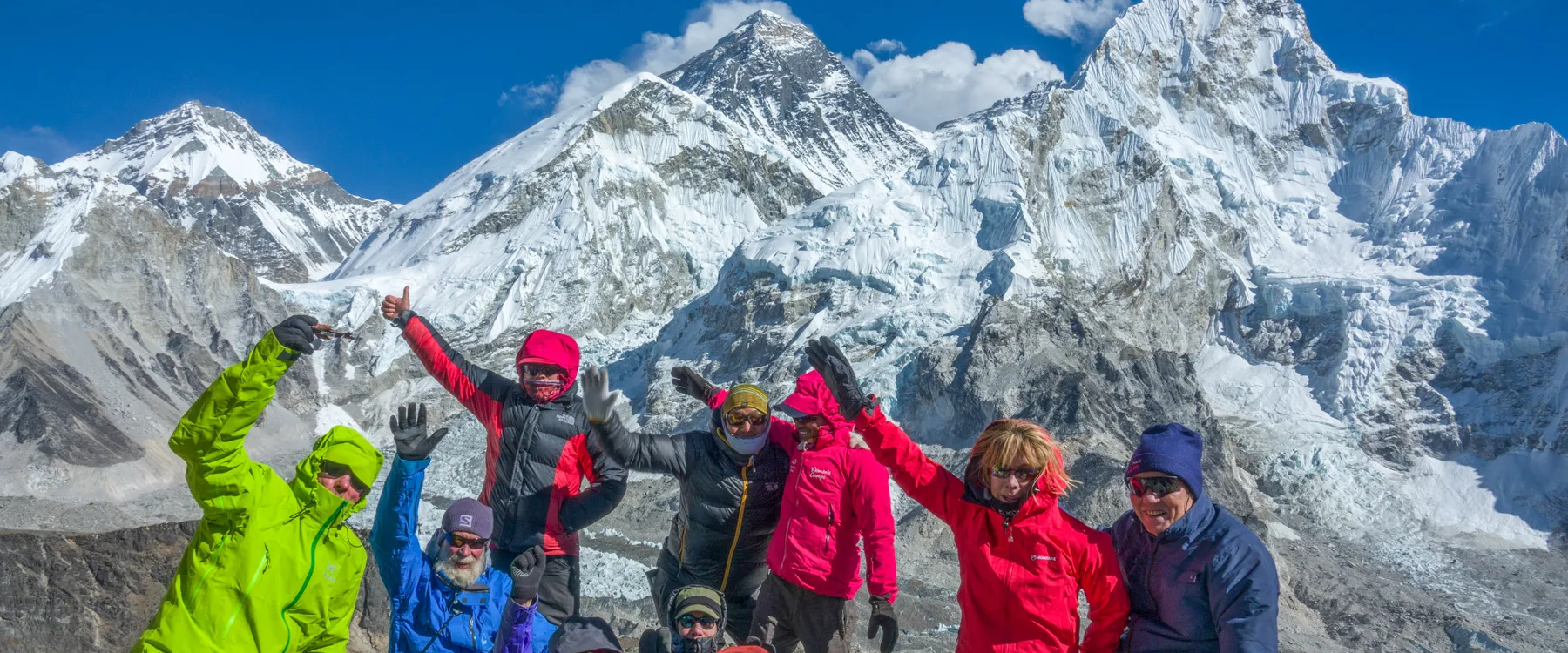
KALA PATTAR | Leaving the lodge, cross the sandy once-lake bottom and begin on the first section of the steep, 2-hour climb. About half way up, there is a good resting point, from where you can see almost all of what you can see from the top of the peak. The steep switchbacks continue, and after about 1½ – 2 hours you reach the saddle, from where you can look down on the majestic mess of glaciers below. One more small climb to the rocky, prayer-flag strewn summit, actually a spur from Pumori, and you are rewarded with epic Himalayan views including Everest, Lhotse (the tip), Nuptse, Amadablam, and Kangtega to the south and Lhola Peak, Changtse, Khumbutse, Lingtren, Pumori and Chumbu. Changtse is fully in Tibet, and the others for the most part form the border of Nepal and Tibet. Descending is much faster than the ascent of Kala Pattar, and hot drinks are waiting back at the lodge.
Distance: 8km
Day 17 – Trek Lobuche 4935m/16,186′ | Day Hike Everest Base Camp 5365m/17,597m (Eco Lodge)
The morning is set aside for our hike to Everest Base Camp, though if you didn’t climb yesterday, you can climb the 5645m Kala Pattar in the morning. Rob Hall’s memorial makes a nice side-trip up the valley if you’re short on energy. Or you can opt to head back to Lobuche early, and skip the morning’s excursion. After EBC or Kala Pattar, back at the Himalayan Lodge, lunch awaits before heading back down the glacial valley to Eco Lodge. There’s a beautiful (optional) high route leading to the Pyramid Research Center and lodge which doesn’t take much extra time. Private groups might opt to stay at The Pyramid instead of Eco Lodge. (3½ – 4 hrs r/t + 2 hrs Lobuche) (B, L, D)
EVEREST BASE CAMP HIKE | You have the morning hike to Everest Base Camp, a 3½ – 4 hour round-trip hike along the glacial ridge leading to the Khumbu icefall, descending right onto the glacier. At Base Camp, a short walk through the glacier, there is a large rock strung with 5-colored prayer flags and an Everest Base Camp sign which looks out at the Khumbu Ice Fall, a perfect spot for photos. Be careful of small rockfalls on the stretch descending to the glacier or ascending back to the trail. The glacier is rapidly thinning and destabilizing due to climate change; we used to explore the ice pillars to the right of the glacier, but they’ve melted away …
During the April 25, 2025 7.8 Nepal Earthquake, the Nepal Everest Base Camp (there is also one in Tibet, a bit higher) was hit by an avalanche from Pumori that descended on the base camp, killing about 20 people. In 1953, when Hillary and Tenzin Norgay, part of the British team, become the first climbers to summit Everest, the base camp was on a moraine perched on solid ice, and the trek up to EBC took over 2 months. The team trekked with hundreds of heavily laden porters, covering 300+ km to reach Everest Base Camp, starting in the steamy forests bordering Kathmandu, and heading up into the Khumbu via Jiri and Phaplu.
Distance: 13.3km
Day 18 – Trek Dzongla 4830m/15,842′ (Dzongla Inn)
We can sleep in a bit this morning as the sun hits the lodge at 7:45 am, and we have a short day to Dzongla, a small ‘kharka’ of 4 or 5 lodges a few hours below the Cho La pass. Once past Lobuche, we trek south on the main trail and after about 20 minutes, fork off to the right (east). We cross the floodplain river on small river rocks and climb gradually, contouringd to the right as we head south. At the confluence of the Chola and Khumbu glacier streams, we are treated to magnificent views in all directions, the featured peaks being Ama Dablam, Nuptse and Pumori. We turn to the right and head up the Dzongla valley, past the opaque, turquoise Cho La Lake on our left, followed by Lobuche East Base Camp in the green valley to our right. Another steep switchbacking climb and we reach a trail in the middle (or up higher) on the hillside, from where we can see the small lodges of Dzongla. A small descent brings us to an open area with large glacial rocks, and just afterwards we cross the stream coming from the Khumbu glacier on a small bridge, and climb steeply for 15 minutes to Dzongla.
We stay at Doma’s brother Ang Nuru and wife Maya’s Dzongla Inn, which has a warm, sunny dining room and rooms. From Dzongla, we’ll have a scenic lunch as we gaze up at the sheer wall of Cholatse and get ready for the morning crossing of Cho La pass tomorrow (micro spikes). Don’t miss the pink and burnt orange sunset over Ama Dablam from just outside the lodge, it’s sublime. (3 – 3½ hrs) (B, L, D)
Distance: 6.3km
Day 19 – Trek Tangnak 4690m/15,383′ | Cross Cho La Pass 5370m/17,613′ (Cho La Resort)
A slightly early start (but with the sun) for our crossing of the Cho La pass, a rocky climb followed by a glacier crossing. Leaving Dzongla, we take the lower trail below the prayer flags to reach a glacial stream, which we cross a few times on rocks protruding from the ice. We continue through this glacial valley, stopping at some large rocks to adjust clothes as the sun warms the valley, and soon afterwards turn right and climb on a new trail, constructed just after 2020. Lobuche West rises above us as we ascend the right side of the stream coming from the glaciers above, running down through iron-stained rocks. We continue to ascend until we reach the bottom right of the glacier, which is a much easier crossing than the old one, and requires microspikes. The ascent of the Chola glacier is exciting and stunningly beautiful as we trek across the ice (and a bit of snow), and we soon reach the gaping and usually frozen crevasse (lake) just below the pass, these days barely visible. Taking off our microspikes, we have a short section of rock to maneuver, made easier by wire cable bolted into the rock. At the Cho La pass, after a 3-hour climb, we’ll hang our Buddhist prayer flags and send prayers out across the Himalaya.
From the top of Cho La pass, we’re treated to views of Ama Dablam, Kangtega, Thamserku, Tarboche, Cholatse and Baruntse on the Khumbu side, and of Nangpai Gosain, Pasang Lhamo, Numbur and on the Gokyo side. After a snack on the pass, we follow the wire cable back down the other side of the pass, a jumble of large rocks, often a scramble on stone steps and sandy trail, steep for the first half hour of the descent. There is a small flatish section which passes under another large scree slope, and once we’re clear of this we’ll stop for a break. At the bottom of this stretch, we still have to negotiate a rocky, undulating trail, rock hopping, and then descending steeply to the first valley which leads to the settlement of Nga heading south (not our route).
Continuing on, we pass a spring and ascend another grassy ridge, descend into a second valley, climb to the last ridge and begin the long, rocky descent to the kharka of Tangnak, where Lhakpa Nuru and his wife Nawang Doma runs their wonderful lodge, the Cho La Resort. Chilled beers are available to celebrate the Cho La pass crossing, there is a warm shower room, and the dining room (with wifi) is one of the nicest in the Khumbu. Relax, sit by the fire and enjoy this luxurious mountain experience! (6½ – 7 hrs) (B, L, D)
Distance: 8km
Day 20 – Trek Gokyo 4790m/15,711′ (Cho Oyu View Lodge) | Cross Ngozumpa Glacier
Leaving our warm lodge, we start the morning by hiking gently on a beautiful, green trail on the east side of the Ngozumpa Glacier, the longest glacier in Nepal. After about half an hour of hiking we turn up the lateral moraine to our left, and descend steeply into the glacier. We trek northwest on a circuitous trail through the ever-receding glacier, with Cho Oyu rising magnificently to the north, hiking past small glacial lakes, fallen rocks and debris, exposing the incredibly blue ice of the glacier. We continue to cross the glacier on a sandy, boulder-strewn trail, the frozen lakes creaking as we snake our way to the other side.
Climbing up the opposite lateral moraine, we crest a small hill before looking down to the expanding seasonal ‘trekking village’ (once just a kharka) of Gokyo, built beside the third, and biggest lake, in a grassy ablation valley running beside the Ngozumpa Glacier. The opaque powder-blue lakes are often on the verge of freezing over, and sometimes perform a Himalayan symphony of expanding and retracting ice. Gokyo has become something of a Himalayan resort without the crowd – at least in terms of the comfortable lodges with sunrooms, unbeatable views, excellent food and warm stoves. A more spectacular setting is difficult to imagine, and our guesthouse, the Cho Oyu View Lodge, perfectly situated on the lakeside, is a little piece of heaven. Dali Sherpa, our host, is a good friend, and with her two grown children, Tenzin (who manages the lodge) and Ang Tashi, has expanded and improved their welcoming, sunny lakeside lodge. (2½ hrs) (B, L, D)
Distance: 3.7km, Elevation Gain: 171m, Elevation Loss: 101m
GOKYO LAKE KORA | An hour+ Buddhist ‘kora’ hike around Gokyo Lake, passing the beach and Buddhist and Hindu ‘temples’ on the opposite side, stopping at the sandy beach across from the lodges, watching the Ruddy Shelducks and other birdlife. (1½ hrs)
Distance Gokyo Ri Climb: 3.8km
SUNSET MORAINE VIEWS | Don’t miss a quick hike up the moraine ridge in the back of the village for glorious sunset colors on Cho Oyu, the skies turning golden and pink down the valley towards Cholatse, Tarboche and Thamserku. (½ hr)
Day 21 – Gokyo | Climb Gokyo Ri 5360m/17,580′ (Cho Oyu View Lodge)
A free day in Gokyo, with lots to do in this incredibly scenic valley. If you didn’t get up Gokyo Ri yesterday, you have another chance today to climb to the colorful top of the peak and enjoy the Himalayan views. Or opt to grab a chair and just sit by the rocky lakeside and relax. You ARE on vacation, and it’s an amazing location on the shores of the Himalayan Gokyo Lake! (B, L, D)
GOKYO RI CLIMB | One of our favorite views of the trek is from Gokyo Ri, where we are treated to Everest and Himalayan panoramas, and spectacular views of the Gokyo Lakes, Ngozumba Glacier, the glacial valley. Leaving the lodge, we cross the stream coming from Cho Oyo on a series of rock bridges, and begin the steep climb up Gokyo Ri. The switchbacks are continuous, as are the views along the climb. From about half way up the peak, Everest comes into view, followed by Makalu; so rest stops are always inspiring. It generally takes about 2 hours to reach the top, where he Himalayan panorama includes Everest, Lhotse, Nuptse, Makalu, Cho Oyu, Pumori, Cholatse, Tarboche, Thamserku, Gyachen Kang + more. The views are fantastic in the morning, the middle of the day, or for sunset, but don’t forget to bring a torch if you opt for ‘sunset on Everest’ views, which in our opinion is better than the sunrise view when the sun rises behind the Himalayan peaks. To the west is the Renjo La (4515m) pass, tomorrow’s goal, and the gateway to the Thame Valley and the Nangpa La, which the Tibetans cross with their yaks en route to Namche. (3-4 hrs r/t)
FIFTH LAKE & SCOUNDREL’S VIEW HIKE | A beautiful day hike heading north up the Gokyo valley, past the glacial Fourth Lake (Thanak Tsho), heading towards the Fifth Lake (Ngozumba Tsho) and the snowy massif of Cho Oyu on the border of Tibet. There are several trails that snake up this valley, one emerging on the ridge overlooking the Ngozumpa Glacier, another passing right next to the eerily deserted fourth lake with its white, stony beach. All trails have views of Everest and the Himalayan range, so the hike is never dull! The unobstructed view of Everest from Scoundrel’s Point (4995m) is a great reward for the walk, about a 13 km round trip journey from Gokyo and about 2½ hours from Gokyo. (5-6 hrs r/t)
Day 22 – Trek Lungden 4375m | Cross Renjo La Pass 5415m/17,760′ (Renjo Support Lodge)
Another early Himalayan start as we head west of Gokyo lake (taking the upper trail) towards the Renjo La pass. Once at the end of the lake, we cross a small stream, from where the trail switchbacks up the sandy ridge very steeply to our first resting plateau. After a snack, we cross some icy sections of trail which we negotiate with care, and continue along a sandy, old lake, up a short section of rock wall to a rock outcropping, a perfect stopping point. Continuing to climb gradually, we skirt the bottom of the dramatic rock face below the pass to the top of the Renjo La, a climb of over four hours. At the prayer-flag strewn summit, Makalu and Everest loom impressively on the horizon. The trail has recently been improved to accommodate yaks, and the views from the top are some of the best in all of the Himalayas, with a long and impressive panorama of 7000 and 8000-meter peaks, Gokyo Lake below, and colorful prayer flags sending out prayers in at the windy summit.
After some lunch and photos on top of the Renjo La, we begin the even steeper descent (trekking poles recommended, and possible micro-spikes) down large stone slab steps, often icy, to the lake below. Continuing past several small yak kharkas, the twin Renjo Lakes and an old lake bed with intertwined streams sparkling in the sun, we reach a small, sandy kharka surrounded by old rock walls. From here we begin a steep descent to the season settlement of Lungden in the Thame valley. We stay at the newly renovated Renjo Support Lodge, owned by Ngawang Sangay and his wife Pasi (often Pasi’s sister Sani is also working at the lodge). Ngawang Sangay divides his time between Nepal and Japan, is from Khumjung but runs the lodge in the small, walled, and seasonal hamlet of Lungden. Again, the views are wonderful from the lodge so don’t be lured inside all afternoon by the warm stove. We have trekked down to one of the few still-traditional Sherpa valleys of the otherwise well-trekked Khumbu region. (8 hrs) (B, L, D)
Distance: 11.6km
Day 23 – Trek Thame 3805m/12,480′ (Valley View Lodge)
Today’s Himalayan hike is a step back in time as we pass by many old, walled Sherpa villages, seasonal settlements of the Thame and Thamo villagers. We used to share the trail with Tibetan yak caravans, Khampas trading en route to and from Namche and Tibet with the villagers. We’ll cross an icy stream, jumping from stone to stone before crossing the last section on a small wooden bridge, and follow a high trail above the Bhote Kosi through Marulung (4210m). Just past Marulung, we cross an intersecting stream on a Bailey Bridge; from the climb just afterward we take the higher trail and trek through the top of the traditional Sherpa village of Tarnga, where Sherpa folklore tells of a yeti massacre. Sherpas from throughout the Thame valley own land for growing potatoes in Tarnga, once a seasonal settlement that only grew barley. Above to the left is the triangular, snow-covered Langmuche Ri (6344m).
Just before reaching Thame Thang, we have the option to make a short detour to the small Nyimgmapa Kerok Gompa (Kyarong Sang-Naag Choling Gompa, 3870m), with an intimate courtyard and a new museum. When we reach Thame Thang, we hike past a series of chortens and mani walls, and through the Sherpa village to reach Lhakpa’s sister Serki (and our dzo owner Pasang)’s modest Sherpa house. We’ll stop for a feast of Sherpa potato pancakes and tea for lunch, always a highlight. Their daughter Mingma Choki, who attended Khumjung School used to come to Thame to meet us but now studies in Kathmandu. Mingma’s older sister Pasang Lhamu, finished her schooling at Khumjung and college (+2) in Kathmandu, and in 2022 was applying to universities. And she now works at our Cafe Caravan in Boudhanath! Their cousin Sonam Chhuten, used to attend Thame School (where she walked 2 hours each way every day from Mende) but now boards at Khumjung School. The Kamzang Fund has sponsored these three lovely girls for their educations for many years, as well as their other cousin Zangmu, also from Thame.
Trekking past the new stupa, we have a small ridge to climb before looking down on the scenic and traditional village of Thame. Thame is an old village of snaking rock walls, yak paddocks, and traditional slate-roofed Sherpa houses. Thame Gompa, perched up to the north of the village, is one of the oldest in the Khumbu, and one of the gompas that celebrates the Dunche festival in the summertime. We stay the night at Lhakpa’s uncle Dr Kami (of Khunde Hospital) and his wife Dawa Dolma’s Valley View Lodge, with the best tongba (fermented millet beer, served in a bamboo container with a long straw and hot water) in the Khumbu. The lovely cook’s lively daughter is named Chandika, and was 10 years old studying at Thame School in 2021, and The Kamzang Fund now sponsors Bipana Rai, age 12 and in class 3 in 2021, who used to stay with Sonam Chhuten’s family.
Take the afternoon to climb to Thame Gonpa, one of the oldest in the Khumbu, and wander around the walled village. To the west of Thame near the Tashi Labsta La (5755m) which leads to the Rolwaling Valley is Papchermo Ri (6273m), and Sundar Peak (5360m) is just to the north of Thame, a day-climb. Lhakpa’s niece and our yak driver Mingma’s daughter Doma Tenzing teaches at the Thame School, and was also aided in finishing her college degree in Kathmandu The Kamzang Fund. She is now married and living along tomorrow’s trail to Namche. Kunga Palmo, her sister Doma Rigzin’s young daughter, also attends school in Thame. (4 hrs) (B, L, D)
Distance: 11.4km
Day 24 – Trek Namche | via Khari Ani Gompa + Lawudo Gompa 3900m/12,792′ (Moonlight Resort)
Back to Namche, the Moonlight Lodge, hot showers, good food, and cold beers after a beautiful walk from Thame back to Namche. Leaving Thame, we pass Mingma’s house (another yak man, Lhakpa’s cousin, Doma Tenzing’s father) and their newly reconstructed house gompa and prayer wheel. We might stop in at Lhakpa’s younger sister, Pelhamo’s house (where Lhakpa grew up) in the lower end of the village for a cup of tea if she is not in Mende, the family’s winter home. Continuing to descend past ancient, carved mani walls, we cross the deep ravine on a Bailey bridge and gaze up at the wonderful murals of Guru Rimpoche and other Buddhist figures on a rock face high over the Bhote Kosi. We trek through lovely Samde, which has small shrines to mountain deities in the middle of their fields, and then stop for a visit to the beautifully reconstructed Khari Nunnery (ani gompa), which houses lovely nuns originally from Tibet.
KHARI GOMPA | “In 1959, as the Chinese Cultural Revolution raged through Tibet destroying Buddhist monasteries and artifacts and killing thousands of monks and nuns, Khari Rinpoche Lobsang Tsultrim and some of his students fled Tibet. He and his followers crossed over the treacherous Nangpa La (pass) into Nepal and found refuge in the foothills of the Himalayas near Mount Everest. They settled in the village of Thamo. In 1962 some Thamo villagers offered land and in 3 days built a monastery for the nuns and their Lama on the hillside above the village. This became Khari Gonpa, a small Tibetan Buddhist nunnery. By 2002 the prayer hall (lhakang) at the nunnery was too small to accommodate the nuns and local community of Sherpas and Tibetans, and it was in serious disrepair. At that time, His Holiness the Dalai Lama requested the 3rd Khari Rinpoche Tenzin Yonten to design and build a new prayer hall in the same location as the original one. Today the magnificent new lhakang is finished.” – Tara Foundation USA
After a visit to the nunnery, we pass through the scenic village of Thamo where the Nepal army used to have a customs post to control the Tibetan trade over the Nangpa La. The pass is now, sadly, closed to Tibetan traders. An option to visit Lawudo Gompa below, in which case you miss seeing the ani gompa.
LAWUDO GOMPA SIDE TRIP | We can make a side trip to Lawudo Gompa (3900m), affiliated with the renowned Kopan Gompa in Kathmandu, tucked away above Thamo and Mende villages. We take an alternative (and rarely used by trekkers) trail which climbs steeply to the small gompa where Guru Rimpoche meditated in a small cave en route to Tibet. The monk or ani (nun) staying in this magical retreat will inevitably treat us to tea while we take in the spectacular views from the gompa steps. Khumbila, the sacred Sherpa peak, looms overhead, prayer flags from the gompa providing the perfect Himalayan foreground. The local monk, Nawang Chhuldim, assured Kim that this was one of the most beautiful spots in the Khumbu when Kim first happened upon this isolated gompa, high above the main trail. The cave the famous Rimpoche used has been turned into a tiny cave chapel, and there is an eclectic in-house library. Kim has a book on Lawudo Gompa, ask if you want some more history on this monastery.
We’ll have lunch with Lhakpa’s sister in Mende (if she is there and not in Thame), picnic-style in the yard of their local Sherpa stone and shingle house. Locally grown potato pancakes will be on the menu, a Sherpa specialty. From Mende, we drop steeply to the main trail and trek for an hour and a half to Namche, contouring high above the river on an undulating trail, passing two large chortens and ending at the Tibetan puja spot, adorned with thousands of lung-ta (prayer flags), and soon the Namche helipad where we’ll have great views down to the amphitheater of Namche. (4-6 hrs) (B, L, D)
Distance: 10.3km
Day 25 – Trek Lukla 2850m/9348′ (Paradise Lodge)
Leaving Namche along the same trail that we hiked up over a week ago, we hike down the steep hill past the Everest viewpoint to the prayer flag-covered suspension bridge, continue on an hour along the lower trail to Jorsale where we cross the river yet again on a suspension bridge. Jorsale is the home of Phura Diki, one of the girls that the Kamzang Fund has sponsored since class 3. After finishing nursing school (university) in Kathmandu, Phura Diki headed to Sydney to continue her studies, and is now working, and married, in Australia.
After one last steep hill to the National Park gate, we reach the welcome sight of Monjo, green with apple trees and checkered fields. We might run into Dali, the mother of Dawa Yangi and Nimalee, two Monjo sisters that the Kamzang Fund sponsored since class 3 as well. Dawa Yangi has finished her tourism degree in Kathmandu, and also has city and trekking guide licenses, while Nimalee was working at one the high-end lodges in the Khumbu and is now married with a daughter. We’ll stop for lunch 1½ hours away at Shangri La in Phakding, and finish the trek back at Dawa Phuti and Ang Pasang’s Eco Paradise Lodge in Lukla. This cozy dining room is one the nicest in the Everest region, and it’s always an added treat to return to Lukla after the trek. Ang Pasang works closely with the airport, so we are in good hands for our flight out the next morning. We will give out tips and have a party for the Kamzang Journeys staff in the evening! (7-7½ hrs) (B, L, D)
Distance: 18.2km
Day 26 (Option) – Helicopter Lukla 2850m/9348′ (Optional Helicopter Trip)
You’ve already trekked this section of trail, and it’s a long, undulating hiking day from Namche to Lukla. Why not consider sharing a helicopter back to Lukla and relaxing for the rest of the day at Paradise Lodge, enjoying a cappuccino at one of Lukla’s many cafes, doing some craft shop or gallery browsing? Or if you feel like a short hike, you can do a beautiful Chaunrikharka loop.
Day 26 – Fly (or Helicopter) Kathmandu
Bags packed and ready to go before the sun rises as we fly out of Lukla to Kathmandu early this morning. And taking off from the Hillary Airstrip is just as exciting as landing! Flights out of Lukla are sometimes delayed by bad weather, so we suggest booking an extra day in Kathmandu in case of cancellations. In Kathmandu, back at the Kathmandu Guest House, hot showers await, and grubby clothes can be dropped at the laundry. In the evening we’ll get together for dinner at one of Thamel’s many restaurants and celebrate our trek through the Everest region! (B)
TRAVEL NOTE | We strongly recommend scheduling an extra day in Kathmandu in case of flight delays or cancellations out of Lukla or Ramechhap. A shared helicopter is an additional $375.
Day 27 – Trip Ends | Transfer TIA
Transfer to the Tribhuvan International Airport (TIA) for your flight home. Namaste & Tashi Delek!
Not Enough of Nepal?
We highly suggest taking advantage of your trip to Nepal, adding on excursions into the Kathmandu Valley, Pokhara, Bandipur, Gorkha, the Annapurna Foothills, and Chitwan and Bardia National Park. Enjoy heritage tours, mountain biking, Kathmandu valley hiking, Himalayan panoramas (and a hike down) from the Chandragiri Cable Car, whitewater rafting, yoga and meditation courses, Nepali cooking classes, Buddhist or Hindu retreats, and much more. There are many wonderful, boutique, luxury, and heritage lodges in the Kathmandu Valley, and many options for world heritage sightseeing tours, bicycle trips, hikes, and craft-cuisine tours. Nepal boasts world-class restaurants, chic cafes, timeless alleyways to wander through, countless Hindu and Buddhist festivals, and lots of great shopping.
Don’t miss an Everest sightseeing flight or epic helicopter tour, sightseeing trips to Bhaktapur, Patan, and Panauti (Kathmandu Valley’s other historic and/or capital cities), a weekend at Shivapuri Heights Resort or Dwarikas in Kathmandu, a night at the Fort Hotel in Nagarkot for sunrise and sunset Himalayan panoramas, a spa and wellness getaway at the ultra-luxurious Dwarikas Dhulikhel Resort and visits to ancient temple and monastery complexes such as Namo Buddha, Changu Narayan, and Dakshinkali. Spend a night at The Old Inn in Bandipur or Three Mountain Lodge en route to Pokhara, or The Famous Farm in Nuwakot, and get to know Nepal’s Newar heritage.
Enjoy a luxury 3-6 day trek in the Annapurna Foothills, staying in the wonderful Ker & Downey luxury lodges. Relax in heritage style at Temple Tree Resort in Pokhara for some pampering at the spa and infinity pool, try out paragliding, zip-lining, and enjoy a morning of boating on the lake and the hike to Shanti Stupa. Once refreshed, drive to Chitwan National Park, spending 2 or 3 nights at Maruni Sanctuary Resort or Tiger Tops Tharu Lodge for wildlife and bird spotting, river trips, and safaris in style. Tiger Tops also owns Karnali Lodge at Bardia National Park, reached by flight from Kathmandu, and there are nearby archeological sights to visit nearby.
Namaste!
Nepal Modules
Nepal & Kathmandu Modules | Customize Your Trip!
Date & Price
2027 Dates
9 Nov – 4 Dec (27 Days)
2027 Trek Price (Kim & Lhakpa Special!)
$5980
+ Shared Helicopter Cost Not Included in Trek Price (Approx $850)
✨ EARLY BOOKING DISCOUNT or KAMZANG FUND DONATION – $200! (UNTIL 15 MAY)
Trip Includes
+ Western AND Sherpa Guides, Everest & Makalu Lodges, Personal 3-Person Tent for Makalu Region, Khumbu & Makalu Region Permits, Airport Transfers, Domestic Flights, Choice of Meals at Lodges, Unlimited Hot Drinks, Snacks & Desert, Organic French Press Coffee, Filtered Drinking Water, Warm Washing Water, Hot Water Bottles (Sleeping Bags), Everest Library
+ Single Rooms at Kathmandu Guest House (Breakfast)
+ Kim & Lhakpa Dorji Sherpa Trekking Guides (Kim Guaranteed to Guide with 5+ Trekkers)
Single Lodge Upgrades
+ Single Upgrade Everest Lodges – $225
Custom Treks
Private Departures Available | Choose Your Own Dates!
Includes
- Kathmandu Guest House (Breakfast, No Single Supplement for Standard Single Rooms)
- Kathmandu – Lukla – Kathmandu Fights (or Mantali – Lukla – Mantali Flights)
- Sagarmatha National Park Permits
- 25+ Years of Experience in the Everest Region
- Experienced Sherpa Guide
- Porter(s)
- Traditional Sherpa Lodges (Lodge Upgrades Available)
- Options for Helicopter Transfers & Sightseeing Tours
- Local Khumbu & Kathmandu Support
- Local Khumbu Expertise
- Rescue Service (Cost Not Included)
- Oxygen Saturation Meter
- Airport Transfers
- Kamzang Journeys Buff
- Kamzang Lodge Trekking
Meals & hot drinks from the lodge menus, French Press morning coffee, filtered drinking water, double rooms at lodges, experienced Sherpa (or Nepali) guide & porter(s), small medical kit & O2 monitor, local support in the Khumbu with our network of Sherpa friends, helicopter transfers &/or sightseeing logistics, daily back-up support in Kathmandu, local knowledge & 25+ years of experience trekking in the Himalaya!
Excludes
- International Flights
- Nepal Visa
- Trip Cancellation &/or Travel Medical Insurance
- Helicopter Rescue Service Cost
- Helicopter Shuttle Cost
- Lunch & Dinners in Kathmandu (Breakfast Included)
- Equipment Rental
- Bottled Drinks, Bottled Water, Bakery Items, Packaged Snacks & Toilet Paper
- Showers, Laundry & Battery Charging
- Hot Water Bottles or Boiled Drinking Water (To Fill Water Bottles)
- Tips for Team
Tips & Extra Cash
Allow approx $250 – $350 for meals in Kathmandu, bottled drinks & purchased snacks (on trek), charging, showers and extras on the trek. We recommend $250 – $350 (depending on trek length) per trekker thrown into the tips pool for the crew.
Map
Highlights & Reviews
Kamzang Journeys Reviews
Why Travel with Kamzang Journeys?
Why Trek with Us?
Kamzang Journeys Reviews!
Kamzang Journeys Reviews
Trek Highlights
- Makalu Base Camp
- Epic Himalayan Panoramas
- Mundun Route & Milke Danda Route
- Traditional Nepal Himalaya Trekking
- Sherpa & Tibetan Buddhist Culture
- Cozy, Traditional Sherpa Lodges
- Namche Bazaar Saturday Market
- Rhododendron Season in Spring
- Himalayan Wildlife
- The Best of Trekking in the Nepal Himalaya!
Client Highlights
This was my third journey with Kim, Lhakpa and their fabulous Kamzang staff. Once again I was not disappointed. Kim and Lhakpa run a fantastic local company that prides itself on safety whilst taking their clients out of their comfort zone and getting them to experience remote and little seen areas of Asia. On this trek we visited the Kanchenjunga region, making it to the base camp.Over the Sumba-Lumba pass which was challenging, however totally worth the effort with amazing views from the top. Then we continued on through the magnificent Makalu region. The local knowledge, food, company and friendly staff make all of Kamzang Journeys something special. I will be back again next year!
– Sue W (Australia), GHT | Kanchenjunga Lumba Sumba to Makalu Barun Trek 2017
I had a minute to reflect on the past 9 weeks and I feel overwhelmed by how good the time has been. And in every memory, every achievement, every moment I feel a gratitude to both of you, Kim and Lhakpa, for making it possible and eternally memorable. Thank you for making this trip one of the most memorable ones in my lifetime. Kim, you have been a friend when I needed one, a leader when the group needed one, an impeccable organizer, and a great conversationalist. I marvel at your unlimited energy!
– Shiven M (USA & India),
Upper Dolpo to Jomsom
Everest High Passes
Last Nomads of Mustang
Kanchenjunga North Base Camp Trek
I have been with Kim and her crew on four separate treks into the Nepal Himalayas. Each one has been unique, exciting, challenging, and totally amazing. Kim has the best crew around and the Kamzang Journeys team provides a comfortable camp and great food. I would highly recommend Kim, Kamzang Journeys and her Himalayan trekking and cycling trips!
– Allan B (USA),
Amazing Annapurnas Trek
High Manaslu Trek,
Sacred Upper Dolpo to Mustang Trek
Kanchenjunga North Base Camp Trek
Trekking in the Himalaya, for me, was a lifelong dream. I am so glad I went with Kamzang Journeys on the Kanchenjunga to Makalu Trek! We had the most fantastic crew of porters who are cared for with kindness and compassion by Kim and Lhakpa. I felt like I was a part of something special, something beyond beautiful peaks and high passes. We were trekking during the month of the great earthquakes in Nepal in April – May 2015, so our trek had many challenges all of which were met with thoughtful consideration for our safety and the safety of our porters. We became a close-knit group. The terrain was dazzling, the food well thought out and very considerate of dietary restrictions all due to Kim’s careful planning. We had individual tents. Our Kamzang-style community tent was comfortable full of wonderful tea, rugs, sling chairs, books and music- making camp time a warm wonderful place to chill out. Kim has this absolutely sorted. Our trekking days were well managed, Kim’s genuine interest in the local people and her ability to communicate with the locals made our village visits intimate. This was a trek of a lifetime for me, which I am happy to say will be the first of many with the wonderful Kamzang team. I feel like I have made friends in this exotic exhilarating corner of the world.
– Shannon F (Australia), GHT | Kanchenjunga Lumba Sumba to Makalu Barun Trek 2015
Kim (Kamzang Journeys) manages a great trek! She’s personable, fun and takes responsibility to make everything work as well as possible given sometimes challenging circumstances. Kim truly loves Nepal and its people. It shows in the many ways she engages with the local people. She tries very hard to provide a great experience that works for everyone on the trek.
– Rick T (USA), Kanchenjunga North Base Camp Trek 2013
Kim Bannister Photo Gallery | Trip + Trek Photos
Kim Bannister Photography
Travel Reading | Enhance Your Trip!
Travel Books
Articles on Kanchenjunga
Lumba Sumba Pass | Great Himalayan Trail | ECS Online Magazine
India, Nepal & Bhutan Unite to Protect Kanchjunga – Mail Online India
Trekking Nepal’s Forgotten Mountain – BBC
Faces of Kanchenjuna – Blog, DreamWanderlust
Five Mountains Deadlier than Everest – Mental Floss
Kanchenjunga – Great Himalayan Trail
Kanchenjunga – Britannica
Dolpo Prints & Paintings
Dolpo Artist Tenzin Norbu creates wonderful Dolpo paintings, the prints (and some originals) available from our Cafe Caravan at Boudhanath.
Contact & Details
Kamzang Journeys Contact
Kim Bannister
kim@kamzang.com
kamzangkim@gmail.com
Mobile: +(977) 9803414745 (WhatsApp), 9863196743
On-Trek Satellite Phone: +88216 21277980 (Nepal)
Kathmandu Contact
Khumbu Adventures
hiking.guide@gmail.com
Lhakpa Dorji Sherpa Mobile: +(977) 9841235461, 9705235461
Doma Sherpa Mobile: +(977) 9841510833, 9705510833
Nuru Wangdi Sherpa Mobile: +977 9803633783 (WhatsApp)
Follow Us on Facebook
Kamzang Journeys Facebook
Kathmandu Arrival Hotel
Kathmandu Guest House
Nepal Tourist Visas
You can get your Nepal visa at TIA International Airport (or any land border) when you arrive in Nepal, or before you leave home at a Nepali Embassy or Consulate. When you arrive at immigration in Kathmandu, scan your passport at the visa machines (no photo needed) or produce your online, printed visa-on-arrival form, pay the visa fee, and go to the appropriate immigration line.
15 Days – $30
30 Days – $50
90 Days – $125
Tourist Visa Extension (15 days) – $45 (+$3 Additional Day))
Nepal Visa
Nepal Visa Information
Kathmandu Guest House
Ward: 16, Street name: Saatghumti, Area: Thamel, District: Bagmati, City: Kathmandu, Zone: Bagmati, Phone: +977 14700004
Health Information
Nepal Health Information
CDC
We also recommend bringing probiotics with you to help prevent infections while on trek. Doctor’s recommendation!
Travel Medical Insurance
Required for your own safety. We carry a copy of your insurance with all contact, personal and policy information with us on the trek and our office in Kathmandu keeps a copy. Note that we almost always trek over 4000 meters (13,000′) and that we don’t do any technical climbing with ropes, ice axes or crampons.
Global Rescue Rescue Services
We recommend (but don’t require) that our trekkers sign up for Global Rescue services as a supplement to your travel medical insurance. You can book this directly through our Kamzang Journeys site.
Global Rescue
Medical On-Trek
Please do have a full check-up before leaving home, and inform us of any medical issues. This is for YOUR OWN safety. Your guides bring a small medical kit, but you’ll want your own medications with you.
DO bring all prescription medications and rehydration powders-electrolytes. We advise bringing your own Diamox, Ciprofloxin, Azithromycin + Augmentin. We do have all of these with us, but the Western versions are generally more reliable than the Indian equivalents. See Gear List for a full list of recommended medications for the trek.
Travel Reading | Enhance Your Trip!
Travel Books
Not Enough of Nepal?
We highly suggest taking advantage of your trip to Nepal, adding on excursions into the Kathmandu Valley, Pokhara, Bandipur, Gorkha, the Annapurna Foothills, and Chitwan and Bardia National Park. Enjoy heritage tours, mountain biking, Kathmandu valley hiking, Himalayan panoramas (and a hike down) from the Chandragiri Cable Car, whitewater rafting, yoga and meditation courses, Nepali cooking classes, Buddhist or Hindu retreats, and much more. There are many wonderful, boutique, luxury, and heritage lodges in the Kathmandu Valley, and many options for world heritage sightseeing tours, bicycle trips, hikes, and craft-cuisine tours. Nepal boasts world-class restaurants, chic cafes, timeless alleyways to wander through, countless Hindu and Buddhist festivals, and lots of great shopping.
Don’t miss an Everest sightseeing flight or epic helicopter tour, sightseeing trips to Bhaktapur, Patan, and Panauti (Kathmandu Valley’s other historic and/or capital cities), a weekend at Shivapuri Heights Resort or Dwarikas in Kathmandu, a night at the Fort Hotel in Nagarkot for sunrise and sunset Himalayan panoramas, a spa and wellness getaway at the ultra-luxurious Dwarikas Dhulikhel Resort and visits to ancient temple and monastery complexes such as Namo Buddha, Changu Narayan, and Dakshinkali. Spend a night at The Old Inn in Bandipur or Three Mountain Lodge en route to Pokhara, or The Famous Farm in Nuwakot, and get to know Nepal’s Newar heritage.
Enjoy a luxury 3-6 day trek in the Annapurna Foothills, staying in the wonderful Ker & Downey luxury lodges. Relax in heritage style at Temple Tree Resort in Pokhara for some pampering at the spa and infinity pool, try out paragliding, zip-lining, and enjoy a morning of boating on the lake and the hike to Shanti Stupa. Once refreshed, drive to Chitwan National Park, spending 2 or 3 nights at Maruni Sanctuary Resort or Tiger Tops Tharu Lodge for wildlife and bird spotting, river trips, and safaris in style. Tiger Tops also owns Karnali Lodge at Bardia National Park, reached by flight from Kathmandu, and there are nearby archeological sights to visit nearby.
Nepal Modules
Nepal & Kathmandu Modules | Customize Your Trip!
Notes on Itinerary
Although we try to follow our trek itinerary, it is ONLY a guideline based on years of experience trekking in many Himalayan regions. At times local trail, river or weather conditions may make a deviation necessary; rivers may be impassible, snow blocks passes, and landslides wipe out trails. The trekking itinerary and campsites may also vary slightly depending on the group’s acclimatization rate or sickness, or improved campsites and lodges.
The Himalaya are our passion, and we take our trekking and cycling trips seriously. Although everyone is here on vacation, please come with a dollop of patience and compassion added to your sense of adventure …
Arrival Kathmandu
Arrival in Kathmandu
You will be met at the airport by a representative from Khumbu Adventures (see Contact & Details tab). Look for a sign with your name on it as you leave the airport. You will be transferred to the Kathmandu Guest House where your rooms have been pre-booked … Please hydrate!
Nepal Tourist Visas
You can get your Nepal visa at TIA International Airport (or any land border) when you arrive in Nepal, or before you leave home at a Nepali Embassy or Consulate. When you arrive at immigration in Kathmandu, scan your passport at the visa machines (no photo needed) or produce your online, printed visa-on-arrival form, pay the visa fee, and go to the appropriate immigration line.
15 Days – $30
30 Days – $50
90 Days – $125
Tourist Visa Extension (15 days) – $45 (+$3 Additional Day))
Nepal Visa
Nepal Visa Information
Kathmandu Guest House
Ward: 16, Street name: Saatghumti, Area: Thamel, District: Bagmati, City: Kathmandu, Zone: Bagmati, Phone: +977 14700004
Arrival Hotel
Kathmandu Guest House
International Medical Center Kathmandu
CIWEC
Nepal Temperatures + Clothing
See Gear Tab for trekking and cycling clothing, as well as medical supplies recommendations.
Kathmandu during the spring and autumn trekking seasons is usually quite warm (t-shirt, sandals, light pants or skirts) during the day, and gets chilly (light fleece or jacket) in the late afternoon and evenings. Nights can be cold enough for a sweater and/or jacket, or warm enough for t-shirts. Summer is hotter and wetter, and you’ll need a rain jacket and umbrella. The winter months (late Nov – March) are chilly in the mornings and evenings, cold enough that you might start the day in a down jacket, but often warming up enough to wear a t-shirt by mid-day. Nights get cold enough for a down jacket if you’re sitting outside, although many restaurants have heaters or fire pits. It never snows in Kathmandu. Keens, Chacos or other hiking sandals are great for wandering around Kathmandu, and for trekking in lower altitudes. Crocs are good to have for rooms, showers and at camp when trekking or cycling.
Trekking is a mixed bag of temperatures. LAYERS are the key as hot can change quickly to freezing crossing the passes and snowfalls are common. We often have some rain below 3000 meters in the spring and early autumn, and it can rain hard in the summer. Have a wide range of layer-able trekking clothes for summer to winter temperatures. Keep a lightweight down jacket or synthetic jacket with you at all times, available inexpensively in Kathmandu. A lightweight rain poncho and umbrella for trekking are recommended in the spring and summer seasons. Be prepared! See our ‘Gear’ tab for full details on gear, shoes, clothing, electronics, and meds for the trek.
There are lots of real gear shops (North Face, Mountain Hardwear, Marmot, Sherpa Gear, OR) and many ‘fake’ and Nepali-made shops in Kathmandu, so if you don’t think you have the right gear starting the trip, it is easy to pick up gear once in Kathmandu. We have sleeping bags to rent, duffel bags, camp towels and buffs to purchase, and you’ll get a FREE Kamzang Journeys t-shirt for the trip!
Dress conservatively in Kathmandu and on the trail as a rule. Shorts are okay if they aren’t too short, short mini skirts aren’t recommended. Sleeveless t-shirts are absolutely fine, but perhaps avoid skimpy tank tops on the trail. Super tight lycra and very skimpy doesn’t go over so well with village elders or remote villagers, and will generally limit your ability to have meaningful interactions with Nepali villagers. Many of the younger generation in Nepal wear modern Indian or Western-influenced clothes but remember that you haven’t signed up for a beach or surf vacation. Use your good judgment, and be an ambassador for western travelers! Please ask Kim or your guide if unsure about appropriate clothing, we’re always happy to advise.
Nepal Cultural Issues
Nepalis are very open and welcoming, but there are a few issues you should be aware of to make your stay in Nepal more fulfilling. Use your right hand to pass things, shake hands or do most anything. Left hands are somewhat taboo. Nepalis often place their left hand on the right forearm when passing things to others, a sign of respect. Best not to pat kids on heads, or point feet ahead of you at monasteries. Don’t walk over someone’s legs or feet, but put your hand down in front of you to signal them to pull their legs to the side. Take off shoes and hats when going into Buddhist monasteries and Hindu temples, don’t use flashes inside monasteries or temples if possible and be respectful when attending pujas (prayer ceremonies). You can talk and move around, all religious are very tolerant, but be aware of your level of voice and where you are walking. Don’t sit on Buddhist monastery benches, they are used as tables. You will often be shown to low, carpeted sitting areas in the back of a monastery. If you’re served tea, it’s fine to accept (in fact, the servers will be happy to give you tea), but also fine to say ‘no thank you’, putting your hand up. If you don’t want more tea, often the salt-butter variety, simply cover your cup with your hand.
Nepalis don’t anger quickly in general, so try not to raise your voice if exasperated or angry as it only will make the situation worse. Do bargain at shops, with taxis and rickshaws, but don’t fleece people as many people are quite poor and need to make a living. Give small donations on the streets if you choose to, but try not to encourage begging and be aware of who you are giving your money to. If you do want to donate to a good cause, ask about our Kamzang Fund or other responsible organizations.
Tips for Staff
We recommend $250-300 per person to go into the tip pool for the staff, which can be given to Kim in Kathmandu in $US. We also pitch in to buy our incredible staff drinks on the last night, or any other night that you feel like treating them to a bottle of Kukure Rum or a few beers!
Tips in General
Tips are always appreciated but they don’t need to be extravagant. 100-300 NRP to carry bags to/from your room is fine, the women who clean your room will be happy with 200-300 NRP when you leave, and 300-500 NRP is great for your airport transfers. Round-up taxi fares, in general. A larger tip would be expected for a day trip in a private car, perhaps 500 NRP, and a tour guide might get 500-100 NRP. 10% is included in most restaurant and hotel bills in Nepal, and if it’s not included it’s still expected. You can round-up the restaurant bills as well.
Cash, Credit Cards & ATMs
ATMs are available all over Kathmandu, and give up to 25,000 NRP per transaction, in general. You can also change money at the hotel counter (a good rate usually) or just outside the hotel at any of the money changers. They’re quite competitive. You’ll want cash in NRP with you on the trek for local shopping, drinks, beers, snacks, beer, laundry and charging electronics. There are usually local crafts and textiles to buy along the way as well! Credit cards are accepted at hotels, most larger restaurants and cafes, and most of the larger gear, craft and pashmina shops in Kathmandu.
Pampering Yourself & Shopping in Kathmandu
We’re happy to book your rooms before or after the trek at boutique and luxury hotels, resorts and spas in Kathmandu and the Kathmandu Valley. We’re happy to help with advice on where to purchase the most authentic crafts, pashmina or other hand-made Nepali products in Kathmandu. We sell local handicrafts at our Cafe Caravan at Boudha, as well as delicious cakes, coffees, meals and snacks.
Cafe Caravan & Dolpo Prints & Paintings
Dolpo Artist Tenzin Norbu creates wonderful Dolpo paintings, the prints (and some originals) available from our Cafe Caravan at Boudhanath Stupa, and more recently the artist Tenzing Samdup also sells his Dolpo prints at the cafe. We also have an extensive selection of ‘caravan’ handicrafts, coffees, teas, t-shirts, ceramic mugs and Himalayan books for sale …
Kamzang Journeys Products
Kamzang Journeys duffel bags, Kamzang Journeys t-shirts, Kamzang Journeys camp towels, Kamzang Journeys buffs, handcrafted leather passport wallets, totes and bags, handcrafted Himalayan textile pillow covers and more unique, handcrafted tribal silver and Himalayan textiles available from Kim here in Kathmandu.
Kamzang Journeys Products
Kamzang Design Etsy Shop (On-Line)
Many of these handcrafted products designed by Kim and local craftspeople are available in Kathmandu, including much of the tribal silver collection …
Kamzang Design Etsy Shop
Great Stays
See our ‘Great Stays’ tab for our picks of some of the best heritage, boutique or interesting hotels, guest houses, and lodges in the Kathmandu Valley and elsewhere in Nepal.
Not Enough of Nepal?
We highly suggest taking advantage of your trip to Nepal, adding on excursions into the Kathmandu Valley, Pokhara, Bandipur, Gorkha, the Annapurna Foothills, and Chitwan and Bardia National Park. Enjoy heritage tours, mountain biking, Kathmandu valley hiking, Himalayan panoramas (and a hike down) from the Chandragiri Cable Car, whitewater rafting, yoga and meditation courses, Nepali cooking classes, Buddhist or Hindu retreats, and much more. There are many wonderful, boutique, luxury, and heritage lodges in the Kathmandu Valley, and many options for world heritage sightseeing tours, bicycle trips, hikes, and craft-cuisine tours. Nepal boasts world-class restaurants, chic cafes, timeless alleyways to wander through, countless Hindu and Buddhist festivals, and lots of great shopping.
Don’t miss an Everest sightseeing flight or epic helicopter tour, sightseeing trips to Bhaktapur, Patan, and Panauti (Kathmandu Valley’s other historic and/or capital cities), a weekend at Shivapuri Heights Resort or Dwarikas in Kathmandu, a night at the Fort Hotel in Nagarkot for sunrise and sunset Himalayan panoramas, a spa and wellness getaway at the ultra-luxurious Dwarikas Dhulikhel Resort and visits to ancient temple and monastery complexes such as Namo Buddha, Changu Narayan, and Dakshinkali. Spend a night at The Old Inn in Bandipur or Three Mountain Lodge en route to Pokhara, or The Famous Farm in Nuwakot, and get to know Nepal’s Newar heritage.
Enjoy a luxury 3-6 day trek in the Annapurna Foothills, staying in the wonderful Ker & Downey luxury lodges. Relax in heritage style at Temple Tree Resort in Pokhara for some pampering at the spa and infinity pool, try out paragliding, zip-lining, and enjoy a morning of boating on the lake and the hike to Shanti Stupa. Once refreshed, drive to Chitwan National Park, spending 2 or 3 nights at Maruni Sanctuary Resort or Tiger Tops Tharu Lodge for wildlife and bird spotting, river trips, and safaris in style. Tiger Tops also owns Karnali Lodge at Bardia National Park, reached by flight from Kathmandu, and there are nearby archeological sights to visit nearby.
Nepal Modules
Nepal & Kathmandu Modules | Customize Your Trip!
Kathmandu Valley Sightseeing & Tours
See our Kathmandu Tours tab for lots of idea of how to experience the real Nepal.
Kathmandu & Kathmandu Valley Information
Our ‘Insider’ list of things to do, places to go, what to visit, the most happening restaurants and the best hotels in Kathmandu and the beautiful Kathmandu Valley.
Happenings in Kathmandu
Gear
Kamzang Journeys Products
Kamzang Journeys duffel bags, t-shirts, camp towels and buffs. Handcrafted leather passport wallets, totes and bags, unique Himalayan textile pillow covers, cashmere stoles and more!
Kamzang Journeys Products
Gear List (Nepal Lodge Treks)
A guideline, not a bible, for the gear you will (probably) need on the trek. Do ask (or send gear links) if you have questions. Everyone has their own method of gearing-ups for the mountain, so although these suggestions are based on 20+ years of Himalayan trekking, individuals have gear preferences. Layers are essential for trekking. Quality is more important than quantity. It’s worth investing in some newer, warmer, lightweight trekking gear! If you need, someone from Kamzang Journeys or Khumbu Adventures will check your gear before the trek …
One duffel bag per person. If flying, the airline baggage allowance is 15 kg (33 lbs) per person for mountain flights (including your daypack). We’ll help find ways to adjust what you wear and pack in Kathmandu (for Nepal treks), but be aware and try to limit your duffel bag and daypack to 20 kg total. 20 kg (44 lbs) weight limit for treks. You won’t be able to bring everything on this list, so use this list as a guideline.
- Duffel Bag (KJ Duffel Bags Available – See KJ Products)
- Day Pack (30-45 L)
- Sleeping Bag (-20 to 0F/-15 to -25C Recommended)
- Trekking Boots, Trekking Shoes &/or Running Shoes
- Crocs (Evenings & Washing)
- Down Jacket(s) &/or Vests (Can be Lightweight Down Jackets. Layering Recommended)
- Technical Jacket (Depending on Other Jackets)
- Wind/Rain Jacket & Pants (Inquire for Your Trek)
- Trekking Pants (2)
- T-Shirts (2-3)
- Long-Sleeve Shirts (2-3)
- Thermal (Lightweight) Top & Bottom
- Evening Thermal Top & Bottom (Synthetic &/or Down Pants Optional)
- Socks (4)
- Down Booties (Optional)
- Gloves
- Thermal Hat
- Baseball Cap &/or Wide-Brimmed Hat
- Camp Towel
- Trekking Poles (Recommended)
- Sunglasses (Extra Pair Recommended)
- Reading Glasses (Extra Pair Recommended)
- Head Lamp (Extra Recommended)
- Water Bottles | Nalgene or Metal Bottles (2-3)
- Water Bladder (Optional, Recommended)
- Watch (or Phone Alarm)
- Battery Chargers & Extra Batteries
- Camera or Smart Phone (Optional)
- USB Adapter with Multiple Ports (Recommended)
- SteriPen &/or Squeeze Filter Bottle (Optional – We Provide Filtered Drinking Water)
- Umbrella (Optional)
- Laundry Detergent or Bio-degradable Clothes Soap
- Zip-Locks &/or Plastic Bags
- Soft Toilet Paper
- Toiletries
- SPF Sunscreen & SPF Lip Balm
- Personal Medical Supplies
- Hand Sanitizers (Small)
- Reusable Wipes (Recommended, Not Single Use)
- Rehydration | Electrolytes (Required)
- Snacks (Required)
For Passes
- Micro Spikes (REQUIRED for Passes – Inquire for Your Trek)
- Heavy Gloves
- Trekking Poles
Annapurna Foothills Trek & Lower Altitude Treks
- Sleeping Bag (3 Season)
- Down or Synthetic Jacket (Lighter Weight)
- Trekking Clothes (Spring or Autumn instead of Winter)
Shopping & Snacks in Nepal
Almost all gear is now available in Kathmandu, from real (North Face, Mountain Hardwear, Sherpa Gear, Marmot or at some select shops in Thamel such as Sonam) to inexpensive knock-offs or good Nepali brands. The real gear shops take credit cards. There are many camera and mobile shops, and you can pick up good quality chocolate, snack bars (including gluten free, organic and vegan) and lots of other varieties dried fruits, nuts and snacks in Kathmandu. And, of course, you can shop for pashminas (or cashmere, or fakes, please ask if unsure), good quality silver, handicrafts and locally produced specialty products. We also have a large variety of good quality, unique handicrafts at Café Caravan in Boudhanath.
Lodge Note
In traditional lodges, the dining rooms will often be heated by wood or yak-dung stoves and the bed rooms will not have heat. You will need a sleeping bag and towel. Mornings and evenings in the rooms are chilly to cold, and before the stoves are lit you’ll want to put on your thermals! There are almost always duvets, blankets or quilts available (always in the Everest region, sometimes in other regions). Bring an appropriate sleeping bag for your trekking region and time of year; inquire and we will help you decide what temperature rating is right for your trek!
Suggested Medical Supplies
Your guide will have a have a small medical kit, including Diamox (for acclimatizing), antibiotics, bandages, re-hydration, antihistamines, painkillers and anti-inflammatory drugs. Please bring a supply of all prescription and personal medications. Please have a check-up before leaving home, and inform us of any medical issues. This is for YOUR OWN safety!
SUGGESTED MEDS | Dexamethasone, Nifedipine & Diamox (Acetazolamide) (altitude), Azithromycin, Ciprofloxacin, Augmentin (amoxicillin, penicillin-based & clavulanate potassium), Cephalosporin (antibiotics), blister bandages, Tegaderm & wound bandages & tape, antibiotic, iodine and antiseptic ointments, knee & ankle supports (if required), ACE bandage for sprains & strains, cough drops.
Bring whatever pain meds you generally use (Ibuprofen, Paracetamol, Acetaminophen, Tylenol, Diclofenac, Naproxen), meds for diarrhea (Loperamide, Imodium) and nausea (Ondansetron), antihistamines (non-drowsy, and Benadryl is a drowsy antihistamine that might help with sleep), as well as any medications that you take regularly or that your doctor prescribes. We recommend picking up a combination Salmeterol & Fluticasone inhaler locally, good for (from a doctor trekking friend) “high altitude cough due to reactive airways, which is kind of like temporary asthma. The ingredients in the inhaler relax the bronchial passages and calm inflammation in the airways.” Stay away from sleeping medications, drugs in the codeine-opiate-narcotic family and other drugs that suppress your breathing (not a good at altitude). And don’t forget electrolytes! Have some with you in your pack (as well as snacks) daily …
We’re happy to take excess medical supplies off your hands when you leave if you won’t need them. We use lots of the large amount we have with us to treat locals, our staff and our trekkers…
Kim’s Gear Suggestions
I generally wear a trekking t-shirt, trekking pants, a mid-weight long-sleeve shirt, a lightweight synthetic jacket (sometimes paired with a vest), often starting the morning in a lightweight pair of long underwear. I carry a lightweight wind-rain jacket and pants, an extra pair of socks, gloves, a baseball cap and hat in my daypack, and on colder days also have a lightweight down jacket with me.
I use a 35 L Osprey daypack with a bladder, and an extra Nalgene to refill water on the trail, and often use trekking poles. I generally trek in heavier running shoes, although I use boots on very cold days and over passes, and sometimes on hot days at lower altitudes (not in the winter) I also trek in Chaco sandals. I often carry Crocs with me in case of river crossings and to give my feet a break at lunch (Tevas, Chacos and Keen sandals take a long time to dry and are relatively heavy), and I carry micro-spikes on pass days. I always have snacks, electrolytes, my camera or iPhone, sunscreen, hand sanitizer and some toilet paper, a small medical kit and a SteriPen.
Good trekking boots, hiking shoes or running shoes that you’ve hiked in before the trek are essential. You don’t ever need climbing or plastic boots (for mini-crampons or micro-spikes). Trekking poles are not required but strongly recommended, especially for going down passes which are often steep and icy, and for treks with river crossings and rocky trails. Bring gators if you tend to use them but they’re not required if you don’t own a pair. Micro-spikes (mini-crampons) or YakTrax are useful (often essential) for pass crossings. Inquire before your trek!
Good (polarized) sunglasses are essential. Do bring an extra pair in case you lose or break them. Don’t forget a sun hat and/or a baseball cap, perhaps an extra headlamp, and have plenty of sunscreen and lip balm with SPF! Don’t get caught with blistered lips that don’t heal at altitude.
Nights are chilly to very cold, so a down jacket(s) and a warm sleeping bag are essentials. We recommend a down sleeping bag of -10 to -20 F (-18 to -28 C). Mine is -20 F. At lower altitudes I open it and sleep under it like a quilt, and up higher am toasty warm during cold nights. NOTE sleeping bag ratings don’t correspond to how warm they need to be at altitude. Lodges at higher altitudes can be freezing at night and in the morning. I change into thermals for the evening, and to sleep in. Often stretchy yoga pants or down or synthetic pants over thermal underwear, light down vest and/or jacket over thermal layers. I love my down (or synthetic) booties at night, though they are not essential in the lodges!
Bring XL plastic bags or stuff sacks in your daypack in case of rain. The weather is changeable in the Himalaya, so we recommend that everyone has a strong, waterproof duffel bag for the trek.
Day Pack
We recommend a 30-45 liter day pack. Better to have it too large than too small as on pass days (on some treks) you’ll need to carry more warm gear, and you can always cinch daypacks down. Many packs come with internal water bladders, or you can purchase them separately; very good for ensuring that you stay hydrated. Make sure your pack fits comfortably when loaded before bringing it trekking!
In your day pack, you’ll carry your camera or phone, approximately 1½ – 2 liters of water, a jacket, lightweight wind and/or rain pants (often), a thermal hat, a baseball cap or sun hat, a buff or neck gator (optional, but great to have on dusty trails), gloves, sunscreen, snacks, electrolytes, maybe something to purify water, hand sanitizer, a small medical kit, a pack-cover and often a lightweight down jacket. You might want your Crocs in for lunchtime stops or unexpected river crossings.
Drinking Water
We bring a water filter along on the trek for fresh drinking water, ecologically the best way to get water in the Himalaya’s fragile trekking regions. Bring your own SteriPen or Sawyer squeeze filter for a back-up filtered water system during the day, if you already have one. Please bring at least 2 Nalgene or other water bottles in addition to your water bladder.
Snacks
You will NEED snacks hiking at altitude, even if you’re not a big snacker. Bring your favorite energy bars, gels, chocolate bars, dried fruit and nuts, jerky or whatever else gives you quick energy. Emergen-C, Nuun or any other electrolyte mixes are important in water bottles or before or after the trekking day. It is ESSENTIAL to bring electrolytes with you in your day packs in case you cramp up, get diarrhea or otherwise need them. See Nutrition & Hydration PDF for more details …
Rentals
We have (approximately) 0F super-down sleeping bags to rent for $2.50 per day on our Nepal & Tibet treks. You might want a warmer sleeping bag (I use a -20F); if so, please do bring your own, as we want you to be warm while sleeping at night!
Packing & Extra Gear Storage
It’s easy to pack and unpack from a duffel bag, especially when the temperature drops. It’s a good idea to invest in a strong, waterproof duffel such as a North Face or one of our Kamzang Journeys duffels. You can store extra gear and computers at the hotel while we’re trekking.
Makalu Barun & Mundum Regions
Makalu Barun & Mundum Region
The Rai and Limbu tend to live further south from the well-known Sherpas, residing in clean, orderly, fertile villages farming rice, millet and corn. Their dress is different from the Sherpas, who one might mistake for Tibetans; the Rai woman wear colorful lungis and adorn themselves with golden nose rings, while the men wear woolen vests, their kukri knives hanging at their sides. The Rai and Limbu often travel for work, many join the army, often working as guides, ‘sherpas’, cooks or porters in the trekking industry, many opening restaurants and lodges as they become more wealthy.
The Rai (or Kirati) ethnic group, are some of the original inhabitants of the Middle Hills of Nepal. Like the Sherpa, they are of Tibetan descent but they speak Kiranti, a distinct Sino-Tibet language that is still only orally transmitted. The Kiranti language has 12 sub-groups: Limbu, Sunuwar, Bantawa Rai, Chamling Rai, Khaling Rai, Bahing Rai, Yakkha, Vayu, Dungmali Rai, Lohorung Rai and Kulung Rai. Their religion, called Mundum, is an ancient form of animism, worshiped in the home, with shamans and holy men (dhami) enacting the many rituals and ceremonial rites. They are considered some of the oldest inhabitants of Nepal, and are of the Kirat ethnic group.. This beautiful, forested Himalayan region is populated with many traditional Rai and Limbu villages, who have a distinct culture and heritage. The highest point of this region is the sacred Silichho Peak (4155m), from where you get panoramic views of Everest, Lhotse, Nuptse, Mera, Chamlang, Numbur, Shishapangma, Makalu and the Kanchenjunga range. Nearby Salpa Lake is also a significant religious site for the Rai and Limbu of this region.
Some of the wildlife we might see in the Makalu Barun National Park include snow leopard, red panda, Himalayan thar, musk deer, Himalayan black bear, clouded and Indian leopards (rare), wild boar, barking deer, goral, Himalayan serow, marmot, angur monkeys, Assam macaque, weasels, and even wild yak (rare). The Makalu Barun National Park also hosts a large variety of butterflies and fish.
“There are over 400 species of birds recorded in the park, including rare and endemic species such as the spotted wren babbler and olive ground warbler. Notable birds include eagles, raptors, sunbirds, rose-ringed parakeet, kingfishers, blue-naped pitta, and the spiny babbler. The area is a paradise for bird watchers, with both resident and migratory species present throughout the year.” – AI
From Nepali TImes: “Because of the heavy rainfall the Mundum trail also has great eco-biological diversity, with wildlife, birds and plants found in great abundance in its verdant slopes, watershed and wetlands. The rhododendron, conifer and bamboo cloud forests teem with red panda, ghoral, danfe pheasant, deer, leopard, Himalayan black bears, and strands of rhododendron, bamboo. The transition from temperate to alpine landscape yields to high altitude meadows where villagers bring livestock to graze in the monsoon. This is an important part of life in Mundum culture, and the trail passes many sheds housing yak, sheep, cows and water buffaloes. Hiking through the settlements, it is clear that the Kirati people have living in harmony with the nature that they revere, and their way of life is closely tied with the biological diversity of their surroundings.”
Tumlingtar, Khandbari & Num
Lohorung: Belonging to the Kiranti ethnic group, who speak a dialect of Kiranti, a Sino-Tibetan language.
“Kumal: The indigenous group, with traditional pot-making skills.
Bahun and Chhetri: These are part of the broader Khas-Parbatiya group, which includes hill Brahmins and other related castes.
Magar, Rai, and Tamang: These are examples of Tibeto-Burman ethnic groups found in the region.
Newar: A significant ethnic group in Nepal, with a distinct culture and traditions.
Limbu, Sherpa: These are also found in the area, contributing to the region’s cultural diversity.”
– Wikipedia
Silichung Peak (4155m): The highest point of the Mundum Trail, also known as Silichung Danda or Salpa Peak, with mind-boggling 360-degree views of the world’s tallest peaks, including Everest, Lhotse, Makalu, Cho Oyu, and Kanchenjunga.
Salpa Pokhari (3458m): A sacred, alpine lake revered by local Kirat (Kiranti) communities, connected to folklore about the creator goddess Sumnima, and the Sky God Paruhang. The lake is a pilgrimage site, especially during the annual Hindu festival in August.
Makalu Climbing History
“Makalu has two notable subsidiary peaks. Kangchungtse, or Makalu II (7678m), lies about 3 km north-northwest of the main summit. Rising about 5 km north-northeast of the main summit across a broad plateau, and connected to Kangchungtse by a narrow, 7200 m saddle, is Chomo Lonzo.
The first climb on Makalu was made by an American team led by Riley Keegan in the spring of 1954. The expedition was composed of Sierra Club members including Bill Long and Allen Steck, and was called the California Himalayan Expedition to Makalu. They attempted the southeast ridge but were forced to turn back at 7100m by a constant barrage of storms. A New Zealand team including Sir Edmund Hillary was also active in the spring, but did not get very high due to injury and illness.
1955 French Makalu Expedition: Makalu was first summited on May 15, 1955, by Lionel Terray and Jean Couzy of a French expedition led by Jean Franco. Franco, Guido Magnone and Gyalzen Norbu Sherpa summitted the next day, followed by Jean Bouvier, Serge Coupé, Pierre Leroux and André Vialatte. The French team climbed Makalu by the north face and northeast ridge, via the saddle between Makalu and Kangchungtse (the Makalu-La), establishing the standard route.” – Wikipedia
Trek Routes
The traditional lodge trek starts in Tumlingtar, with a drive to Num and on to Seduwa.
We also offer two longer Middle Hills starting points to reach Makalu Base Camp, although they are quite basic, and some connected by roads. The first, a trek through the Mundum (Bhojpur) region, and the second, through the Milke Danda region. Both regions are ancient trade routes that connected Nepal with Tibet, full of history and folklore. Hiking along diverse trails, through lively, traditional villages and past green, terraced hillsides colored with the rhododendron and bamboo that forest Nepal’s lush Middle Hills, we’ll cross several ‘bhanjyangs’, or ridge passes, to reach Num. The Mundum and Milke Danda valleys are Himalayan regions that see few trekkers, and these trekking routes are a real adventure, a glimpse into the timeless mountain villages and cultures of Nepal.
Kathmandu Tours
Not Enough of Nepal?
We highly suggest taking advantage of your trip to Nepal, adding on excursions into the Kathmandu Valley, Pokhara, Bandipur, Gorkha, the Annapurna Foothills, and Chitwan and Bardia National Park. Enjoy heritage tours, mountain biking, Kathmandu valley hiking, Himalayan panoramas with a hike down from the Chandragiri Cable Car, whitewater rafting, yoga and meditation courses, Nepali cooking classes, Buddhist or Hindu retreats, and much more. There are many wonderful, boutique, luxury, and heritage lodges in the Kathmandu Valley, and many options for world heritage sightseeing tours, bicycle trips, hikes, and craft-cuisine tours. Nepal boasts world-class restaurants, chic cafes, timeless alleyways to wander through, countless Hindu and Buddhist festivals, and lots of great shopping.
Don’t miss an Everest sightseeing flight or epic helicopter tour, sightseeing trips to Bhaktapur, Patan, and Panauti (Kathmandu Valley’s other historic and/or capital cities), a weekend at Shivapuri Heights Resort or Dwarikas in Kathmandu, a night at the Fort Hotel in Nagarkot for sunrise and sunset Himalayan panoramas, a spa and wellness getaway at the ultra-luxurious Dwarikas Dhulikhel Resort and visits to ancient temple and monastery complexes such as Namo Buddha, Changu Narayan, and Dakshinkali. Spend a night at The Old Inn in Bandipur or Three Mountain Lodge en route to Pokhara, or The Famous Farm in Nuwakot, and get to know Nepal’s Newar heritage.
Enjoy a luxury 3-6 day trek in the Annapurna Foothills, staying in the wonderful Ker & Downey luxury lodges. Relax in heritage style at Temple Tree Resort in Pokhara for some pampering at the spa and infinity pool, try out paragliding, zip-lining, and enjoy a morning of boating on the lake and the hike to Shanti Stupa. Once refreshed, drive to Chitwan National Park, spending a few nights at Maruni Sanctuary Resort or Tiger Tops Tharu Lodge for wildlife and bird spotting, river trips, and safaris in style. Tiger Tops also owns Karnali Lodge at Bardia National Park, reached by flight from Kathmandu, and there are nearby archeological sites to visit nearby.
Namaste!
Nepal Modules
Nepal & Kathmandu Modules | Customize Your Trip!
Kathmandu Valley Guided Sightseeing Day Tours
+ Kathmandu World Heritage Guided Sightseeing Tour (Full Day) | Pashupatinath, Boudhanath & Swayambunath ($125)
+ Kathmandu World Heritage Guided Sightseeing Tour (Half Day) | Pashupatinath & Boudhanath ($75)
+ Kathmandu World Heritage Sightseeing Car – No Guide (Morning or Evening) | Swayambunath ($35)
+ Kathmandu World Heritage Guided Walking Tour (Half Day) | Kathmandu Durbar Square ($50)
+ Kathmandu World Heritage Guided Tour (Half Day) | Patan Durbar Square ($65)
+ Kathmandu Valley World Heritage Sightseeing Tour (Full Day) | Bhaktapur & Changu Narayan ($135)
+ Kathmandu Valley Heritage + Craft Tour (Custom Tours)
+ Cycling Trip in Kathmandu Valley (Custom Trips)
+ Everest Express Sightseeing Flight ($225)
+ Everest Sightseeing Helicopter Tour (Custom Tours)
TOUR NOTE | Additional tour member + $30. Entrance fees not included.
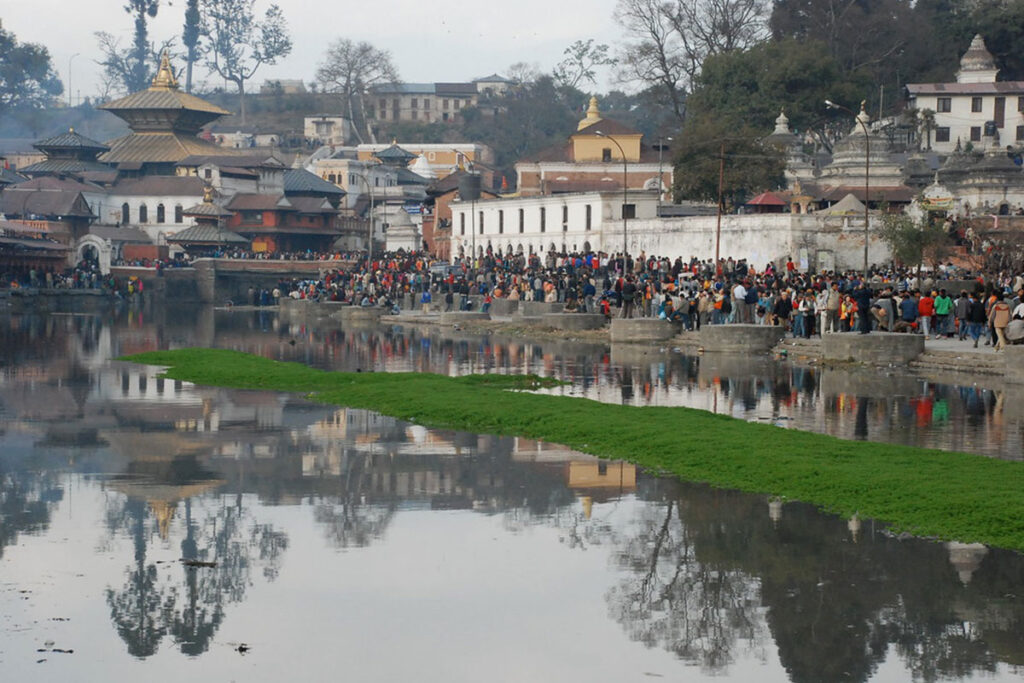
Kathmandu Heritage Multi Day Tours & Hikes
Kathmandu Valley | Heritage Treks & Tours – Nepal
Kathmandu | Full Day World Heritage Sightseeing Tour | Boudhanath, Pashupatinath & Swayambunath
Kathmandu is filled with World Heritage sites and sacred destinations, crowded with traditional neighborhoods and colorful festivals. Spend a few days exploring Nepal’s exotic capital and the history-laden Kathmandu valley. We can arrange sightseeing guide, vehicles and guides as required. See Kathmandu Heritage + Happenings for more details.
We recommend beginning with Pashupatinath in the early morning, and moving on to Boudhanath mid-morning. Hindu Pashupatinath on the sacred Bagmati river and its sacred temple complex is one of Nepal’s most important sites, a powerful cremation site and Nepal’s most important Hindu temple. Here, monkeys run up and down the steps of the burning ghats, and trident-bearing saddhus draped in burnt-orange and saffron sit serenely meditating, when they’re not posing for photos-for-rupees. Local guides can explain the significance of the complicated ceremonies. Please be respectful when taking photos.
Boudhanath, in the midst of traditional monasteries (gompas) and hung with long strings of multi-colored prayer flags, attracts Sherpas, Tibetans and tourists alike for daily circumambulations (koras) of the iconic stupa. The striking Buddha eyes of Boudhanath Stupa watch over a lively and colorful Tibetan community and attract pilgrims from all over the Himalayan Buddhist realm. There are wonderful spots for lunch at Boudhanath (Roadhouse Cafe has wood-oven pizzas and a breathtaking view of the stupa and colorful Nepals circling it), and it’s a good place to learn the technique of thanka painting and purchase a thanka (Buddhist mural). See also Bhaktapur for more options for shopping for thankas.
Wander through the many temples, pagodas, courtyards and the museum at Kathmandu Durbar Square, a timeless gathering spot and a UNESCO World Heritage site. Kathmandu Durbar Square, including the old royal palace, is Kathmandu’s ‘Palace Square’, a showcase for the world renown artisans and craftsmen of Kathmandu and a synthesis of Hindu and Buddhist palaces, temples, stupas and statues. The Malla and Shah kings ruled over the Kathmandu Valley during the centuries of the building of the layers of this Durbar Square. Along with their opulent palaces, the square surrounds numerous courtyards and temples, all works of art with intricate and often erotic carvings. Kathmandu Durbar Square is known as Hanuman Dhoka Durbar Square, a name derived from a statue of Hanuman, the monkey devotee of Lord Ram, at the entrance of the palace. The social, religious and urban focal point of the city, Durbar Square is often the site of festivals, marriages and other ceremonies such as Teej. Some important structures are Hanuman Dhoka Palace, Kumari Ghar (Abode of the Living Goddess), Taleju Temple, built between the 12th and 18th centuries, the 17th century stone inscription set into the wall of the palace with writings in 15 languages.
In the evening (take the interesting back streets from Durbar Square) climb the many steps to the gilded Swayambhunath stupa (known as the monkey temple) which rises from the Kathmandu valley floor at 1420 meters and is one of the holiest Buddhist sites in Nepal. Swayambunath, the ‘self created’ stupa, was founded over 2000 years ago at a time when the Kathmandu valley was filled by a large lake, with a single lotus in the center. Mythology says that Manjusri, a bodhisvatti, drained the lake with one cut of his sword and the lotus flower was transformed into the stupa. From its commanding views of Kathmandu, circumambulate Swayambunath’s white-washed stupa, painted with distinctive Buddha eyes, the complex a unique synthesis of Buddhism and Hinduism. Another interesting time to visit Swayambunath is in the mornings, when Nepalis visit the temple dedicated to the God of Smallpox to with colorful offerings for the goddess.
Stop to photograph reflections in Kathmandu’s many pokhari’s, or ponds, including the beautiful Rani Pokhari (queen’s bath) near New Road, and the Naga Pokhari (pond of the snake gods of the underworld) just beyond the palace gates. The many bathing ghats, square enclosures with steps leading down to water spouts, often decorated with naga heads, are also interesting and colorful gathering spots.
+Entrance Fees not Included for Single Person
Kathmandu | Half Day World Heritage Patan Durbar Square Sightseeing Tour
Visit the third of Kathmandu’s ancient capitals, known as ‘The City of Fine Arts’, best if you have an extra day in hand as Patan is also rich in cultural heritage, has many lovely roof-top cafes for lunch and world-class museums. Some of the highlights of Patan are its Durbar Square, the Krishna Temple within the palace complex of Patan (entirely made of stone, with 21 distinctive spires), and Hiranya Varna Mahavir, or the Golden Buddha Temple.
+ Entrance Fees not Included for Single Person
Kathmandu Valley | Full Day World Heritage Bhaktapur & Changu Narayan Sightseeing Tour
One more day in Kathmandu, with a sightseeing excursion by private vehicle to Bhaktapur. Bhaktapur which translates as ‘Place of Devotees’ and is also known as Bhadgaon, is an ancient Newar city approximately 15 kilometers east of the Kathmandu Valley. Bhaktapur is one of three ancient capitals of the Kathmandu valley, the capital of the Newar Kingdom and a city of artisans and craftspeople famous for its art and architecture: intricate carvings, sculptures, paintings, thankas, pottery, statues and temples, or pagodas. Bhaktapur has a well-preserved ‘durbar square’, or palace square, and has been named a World Heritage site by UNESCO because of its incredible temples, pagodas, wood carvings, stone carvings and metalwork. Bhaktapur is also famous for its yogurt, called curd in Asia, a taste which hasn’t been duplicated anywhere.
Spend the day exploring Bhaktapur and its rich cultural heritage, where a majority of enthnic Newaris live in traditional ways, and life seems to stand still. There are many great restaurants and cafes to rejuvenate, and it’s possibly the best spot in Kathmandu for purchasing a thanka after watching the technique, as well as shopping for endless other locally produced crafts. Bhaktapur is home to countless local festivals, so if you are lucky and arrive on a festival day, enjoy the timeless and colorful events unfold.
You’ll also visit at Changu Narayan, a few km from Bhaktapur and one of Kathmandu’s oldest Newari temple villages. Legend has it that Changu Narayan was given to the daughter, Champak, of a Kashmiri king of Nepal when she wedded the prince of Bhaktapur. The important Vishnu temple is one of the oldest temples in all of Nepal, and was damaged during the 2015 earthquakes.
+ Entrance Fees not Included for Single Person
Everest Sightseeing Mountain Flight
An hour long extravaganza of the world’s 8000 meter peaks. Airport Transfers not Included. (+$250 or Market Price)
Everest Sightseeing Helicopter Tour
Inquire for prices and options for a once in a lifetime helicopter trip flying right over Everest Base Camp, Kala Pattar, the Khumbu Glacier, plus incredible views of Everest, Lhotse, Nuptse, Cho Oyu, Makalu, Ama Dablam, Pumori and more! Cost per helicopter, option to stop at Everest View Hotel for an ‘Everest breakfast’. (+$Inquire for Options)
Cycling Trip Kathmandu Valley
Many options for day trips, or extended trips, in the Kathmandu Valley. We can customize a cycling trip for you in partnership with one of our knowledgeable partners in Kathmandu. (+$Inquire for Options)
Shivapuri Heights Cottages
A wonderful get away 20 km north of Kathmandu, Shivapuri Heights Cottages are stylishly designed and personal cottages built around a ‘common house’, where you can breakfast overlooking the stunningly beautiful Kathmandu valley. Massages available on request. (+$Inquire for Options)
Extra Days in Kathmandu | Customize your Journey!
We have plenty of great suggestions for extra days, or weeks, in Nepal! See our Nepal & Kathmandu Modules | Customize Your Trip! for ideas to put together the perfect journey.
We recommend Kathmandu Valley heritage tours to Bhaktapur or Patan (the Kathmandu Valley’s other historic capital cities), mountain biking, river rafting, yoga retreats, get-aways to Gorkha, Bandipur, Panauti or Namo Buddha to visit traditional hill villages, temples, monasteries and fortresses or a tour of the Newari temple of Changu Narayan and a night at the Fort Hotel in Nagarkot for sublime Himalayan panoramas!
Everest sightseeing flight or an epic helicopter tour over Everest Base Camp, a luxurious stay at Temple Tree Resort & Spa in Pokhara or Himalayan Front in Sarangkot, paragliding, hiking or zip-lining over Phewa Lake, a spa + wellness getaway at Dwarikas Resort in Dhulikhel, a relaxing, luxury wildlife excursion to Chitwan National Park staying at Tharu Lodge or Maruni Sanctuary Lodge, a chic wildlife safari in Bardia National Park at Tiger Tops, a weekend of adventure, sauna and pampering at The Last Resort or 5-star treatment in historic Dwarika’s Heritage Hotel in Kathmandu.
Kamzang Journeys can customize any of these wonderful excursions for you!
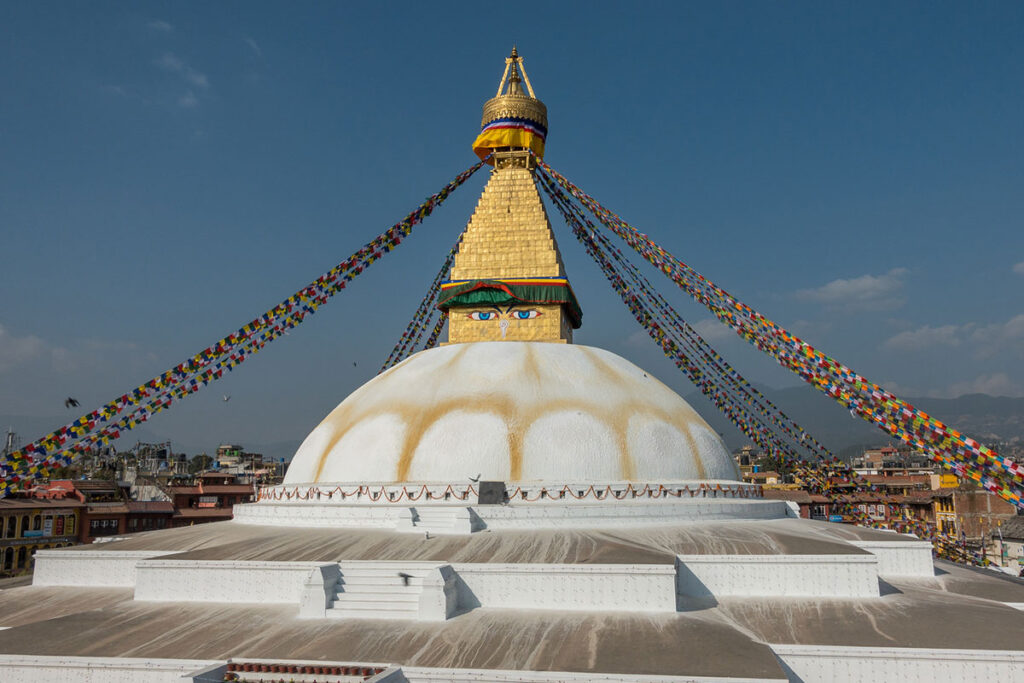
Everest Heli Tours
Everest Helicopter Tour Kwondge | Dinner Sunset & Sunrise over Everest – Yeti Mountain Home
An epic private helicopter tour for an extra day in the spectacular Khumbu region. Sunset dinner and sunrise breakfast overlooking some of the best Himalayan views on the planet! Board your private helicopter from Namche for the quick flight to Kwongde YMH Lodge, and enjoy lunch overlooking this vast panorama of peaks. Views include some of the highest peaks on the planet, including Everest, Lhotse, Makalu, Cho Oyu, Gyajung Khang (the highest peak under 8000m), and the majestic Ama Dambam. From the YMH Lodge, you can look down on Kwonde Lake, generally hidden, and up the awe-inspiring Khumbu valley. The Kwongde YMH (Yeti Mountain Home) is a luxury lodge, one of the world’s highest hotels in one of the Himalaya’s most dramatic locations. Your epic helicopter tour finishes back in Namche Bazaar, but you have the option to charter the helicopter back to Lukla or Kathmandu.
+ Price Per Helicopter – Namche to Namche ($1800)
+ Max 4 Passengers
+ Price Per Person Yeti Mountain Home – Breakfast + Dinner ($175)
+ Single Supplement ($75)
Everest Mountain Helicopter Sightseeing Tour | Namche to Namche | Lukla, Everest Base Camp, Cho La Pass (Gokyo Valley), Renjo La Pass (Thame Valley) & Namche
A once in a lifetime helicopter tour of the Everest region’s spectacular peaks, glaciers, and Himalayan passes! Your private helicopter picks you up in Namche Bazaar, from where you will fly over the Khumbu Glacier and to Everest Base Camp, as well as the incredible Everest icefall. You will have a chance to stop on Kala Pattar for photos of this spectacular setting. Back in your helicopter, your flight path takes you over Dzongla Lake, the glaciated Cho La pass, and into the stunningly beautiful Gokyo valley, flying low over the turquoise Gokyo Lake, with another touch down to splash some sacred lake on yourself before crossing the Renjo La pass to the traditional Thame valley, the old trade route to Tibet. Your epic helicopter tour finishes back in Namche Bazaar, but you have the option to charter the helicopter back to Lukla or Kathmandu.
+ Price Per Helicopter ($2750) – Namche to Namche
+ Max 4 Passengers
Everest Mountain Epic Sightseeing Tour | Kathmandu to Kathmandu | Lukla, Everest Base Camp, Cho La Pass (Gokyo Valley) & Namche
The full helicopter deal, all the way from Kathmandu to Everest Base Camp, and much more! A once in a lifetime helicopter tour of the Everest region’s spectacular peaks, glaciers, and Himalayan passes! Your private helicopter picks you up at Tribhuvan Airport in Kathmandu, from where you will fly up to the fabled Tenzin Norgay airport in Lukla. After a cup of tea in Lukla, you will reboard your helicopter and fly over the Khumbu Glacier and to Everest Base Camp and the sublime Everest icefall. You will have the unique chance to stop at Everest Base camp for photos of this spectacular setting.
Back in the helicopters, your flight path takes you over beautiful Dzongla Lake, the glaciated Cho La pass, and into the stunningly beautiful Gokyo valley, flying low over the turquoise Gokyo Lake and down the Gokyo Valley. Your epic helicopter continues by flying back over Namche Bazaar, and back through Nepal’s lush middle hills to Kathmandu.
+ Price Per Helicopter ($5000) – Kathmandu to Kathmandu
+ Max 4 Passengers
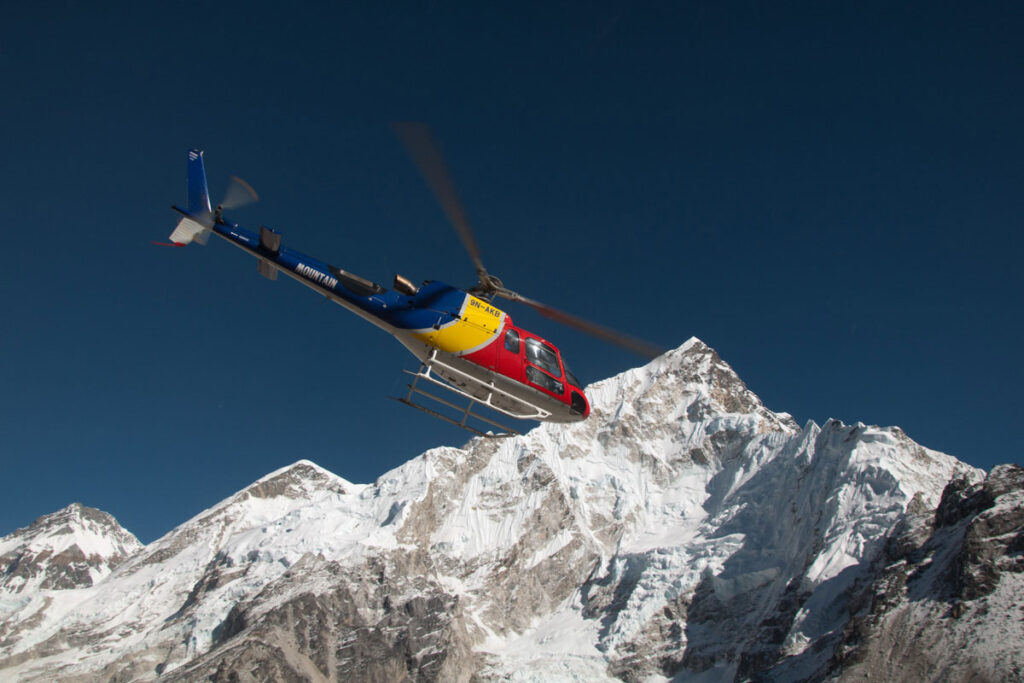
Great Stays
BOUTIQUE & LUXURY HOTELS | KATHMANDU VALLEY
Kathmandu Guest House
Kathmandu Guest House
The Kathmandu Guest House is one of Kathmandu’s first hotels, originally a Rana Palace. Located in the heart of Thamel, the Kathmandu Guest House is a beautiful, lively hotel with a large garden and lovely outdoor cafes, centrally located in Thamel with a wide range of restaurants, cafes, yoga and shopping surrounding it. KGH offers a wide selection of rooms, including their wonderful deluxe rooms.
“Travelers know that the frenetic pace of a crowded city like Kathmandu needs an escape. The Kathmandu Guest House, a converted Rana dynasty mansion with fragrant gardens and airy corridors, has provided the peaceful refuge of choice since 1967. Since the days of being the first and only hotel in Thamel, the packed tourist district of Kathmandu, it’s become something of an institution. It’s close to everywhere and its gate is the meeting point that nobody can mistake. As a guidebook put it, “Kathmandu Guest House acts as a magnet for mountaineers, pop stars, actors and eccentric characters.” Even the Beatles stayed here in 1968. Whether you’re returning from the mountains or arriving from the airport, come and relax at the courtyard restaurant, order a cup of fine Italian coffee or a chilled Gorkha Beer, and escape for a moment in the historic surroundings of Kathmandu’s most loved guesthouse.”
Kathmandu Guest House Timeline
KGH History
Dwarika’s
Dwarika’s Hotel
Dwarika’s, Kathmandu’s premier hotel built and decorated with traditional Kathmandu valley architecture, is an oasis of calm located near the airport, where you can relax by the pool, visit the award-winning spa, enjoy the serene, historic surroundings and dine at one of their world-class restaurants.
“Dwarika’s Hotel was registered in 1977, with the idea of reviving the architectural splendour of the valley. All the terracotta work was made in the valley, using local clay and skills. The couple also incorporated elements of Nepal’s diverse cultural heritage, including those from beyond the valley, when designing the rooms. The furniture was crafted by families of traditional carpenters, and the linen, textiles and embroideries were hand woven and used Nepali patterns. In all purposes, Dwarika Das Shrestha took some of the finest elements of Nepali crafts, and presented them in a way that had not been done before. In explaining his vision, he once stated: “My project is to recreate a 15th-17th century environment where tourist and Nepali alike would have a sensation of the original. The hotel as a commercial enterprise is merely a vehicle to finance and carry my dream forward.”
History of Newari Culture in Kathmandu. Inspiration for the Heritage Architecture of Dwarika’s
Newari History in Kathmandu
History of Dwarika’s
Dwarika’s History
Dwarika’s Resort Dhulikhel
Dwarika’s Resort
A top-notch resort, with a wonderful spa, and wellness, and yoga retreats, on the Kathmandu Valley rim. “With the belief in the need for maintaining harmony between the body, mind, spirit and the planet for a peaceful, healthy and balanced life; the Dwarika’s Resort is built on the philosophy of respecting nature and self. The resort takes its inspiration from ancient Hindu Vedic scriptures (Vedas), Buddhist medicine and traditional Himalayan knowledge. The Himalayan belt has been home to holistic healing and wellbeing for more than three thousand years. The region’s approach to wellbeing, its serene natural beauty and rare medicinal herbs has attracted great sages through time. The Hindu Vedic scriptures describe Ayurveda, the science of life, as a comprehensive approach to wellbeing that encompasses the study of biology, spirituality, psychology, astronomy, nutrition and beauty. Originating from the same roots the Buddhist approaches to wellbeing also follows similar path and views health as harmony between the mind, body, spirit and one’s environment.
The resort has been designed based on the knowledge of these ancient understanding about holistic wellbeing with all the spaces being consecrated and brought to life. The lifestyle spaces within the resort are designed to attract positive energy and keep negative energy at bay. When you go around the resort you can find details we have placed in various spaces to ensure the energy within the resort is as positive as possible. For example, the resort is surrounded by Cactus (Ketuki), which is believed to cleanse the space around it of all the negative energy and attract positive energy instead. Hence, adding to the calm and nurturing environment offered within the resort. The resort also offers various activities within these spaces to enhance and add value to our guests’ experience.”
Yak & Yeti
Yak & Yeti
Yak & Yeti is one of Kathmandu’s historic 5-star hotels, steeped in history, with a lovely pool and garden, located just off Durbar Marg, a tree-lined, upscale road of shops and hotels. ” Yak & Yeti opened in 1977 as a 120 room, 5-star hotel – the first of its kind in Nepal. A new wing of an additional 150 rooms was built in harmony with the architectural features of the old palace, Lal Durbar, bringing the room total to 270. The whole hotel is a sumptuous array of beautiful artifacts, art, and traditionally crafted fixtures. Attention to detail has been meticulously considered throughout, giving the feeling you aren’t just in a hotel as much as an art gallery or museum. Over the years the hotel has been upgraded and extended and now boasts a shopping arcade, a swimming pool, two tennis courts and a state-of-the-art fitness center and luxury spa.”
Hyatt Regency
Hyatt Regency
The Hyatt is a stylish, 5-star hotel located near Boudhanath, with a large pool, a great buffet breakfast, a gym and a mix of Buddhist and Hindu decor in the lobby and rooms. “Hyatt Regency Kathmandu is a five-star luxury hotel and resort in Kathmandu, set on 37 acres of landscaped grounds and created in the traditional Newari style of Nepalese architecture. This beautiful hotel and resort is located on the road to the Boudhanath Stupa: the most holy of all Tibetan Buddhist shrines outside of Tibet and a UNESCO World Heritage Site located within a five-minute walk from the hotel. The hotel is just 4km (2.4m) from the Tribhuvan International Airport and 6 km (3.7m) from the city center of Kathmandu.”
Hotel Tibet
Hotel Tibet
“Since 1998, Hotel Tibet has set the standard for showcasing the warmth of Tibetan hospitality. Newly renovated post-COVID, we have worked towards merging modern elements with traditional Tibetan aesthetic to provide you with the utmost convenience and comfort and to make your stay with us a memorable experience. We have newly-renovated rooms, divided into deluxe, club, and suite categories that combine contemporary and traditional Tibetan designs. Our rooms are especially designed with your comfort in mind, featuring plush bedding, modern furnishings, and elegant decor.”
Dusit Princess
Dusit Princess
Kathmandu’s BEST rooftop bar, restaurant and pool. Brother of the owner of Hotel Tibet, which shares the property. “Make Dusit Princess Kathmandu your base for exploring Nepal’s vibrant capital. Comfort, value and convenience will define your stay, with warm Thai and Nepalese hospitality woven into every moment. Conveniently located in upmarket Lazimpat, the hotel has international restaurants and Narayanhiti Palace Museum on its doorstep.”
Marriott
Marriott
The Marriot was completed in 2020, located just near Nag Pokhari, with Kathmandu’s best buffet! “Retreat to Kathmandu Marriott Hotel, a 214-room contemporary hotel in the capital city of Kathmandu. Settle into spacious, well-appointed rooms and suites, many with views of the Himalayan range. Dine in our hotel restaurants, featuring International cuisine at Thamel Kitchen and Asian cuisine at Edamame. Relax at Raksi Music Bar with delicious food and beverages overlooking our waterfall terrace. Get pampered in our full-service hotel spa and salon, take a dip in our outdoor pool or work out in our 24-hour fitness center.”
Sheraton Hotel
Sheraton Hotel
One of Kathmandu’s great rooftop bars and pools! “Surrounded by the Himalayas, The Sheraton Kathmandu Hotel is conveniently located along the city’s main road, Kantipath. Once the Royal Palace for the kings of Nepal, The Narayanhiti Palace Museum is nearby as are embassies, banks and corporate offices. Tribhuvan International Airport is forty minutes away.
Kathmandu’s most popular tourist area, Thamel is located adjacent to the hotel and is filled with restaurants, bars, cafés and shops. In addition to traditional woolen items, pashmina shawls and scarves, as well as mountaineering equipment, you can savor some delightful Nepalese cuisine, including dumplings called momos, dal, and kwati, a delicious Newari curry soup made with a variety of beans.
This 20,000 SM GFA, 218-key Sheraton Hotel is located on a 6,647 SM site in the center of Kathmandu. The hotel includes food and beverage, a 900 SM banquet hall, meeting rooms, spa and gymnasium facilities and back-of-house areas.”
The Terraces
The Terraces
“The Terraces Resort and Spa is a luxury resort in Nepal, offering stunning views of the Kathmandu Valley and majestic Himalayas located near the border of Bhaktapur with easy access from Lalitpur. We provide the perfect environment to unwind, reconnect with nature and celebrate life’s special moments. Our friendly and professional staff is dedicated to catering to your every need, guiding you to discover the best of Nepal’s culture and nature through bespoke activities and tours. Immerse yourself in the historical sites of Bhaktapur or venture into the scenic landscapes of Lakuri Bhanjyang, creating unforgettable experiences that embrace the essence of Nepal. The Terraces is not just a luxury resort in Kathmandu – it is a destination where you can savor life to the fullest.
The resort, located just 16km from Kathmandu’s Tribhuvan International Airport, fuses international sensibilities with the best of what Nepal has to offer: Stunning mountain views, fresh air, wide open spaces and organic food. Each spacious room or suite comes with a terrace balcony. The only barrier between you and the beautiful world outside is floor-to-ceiling windows.”
BOUTIQUE HOTELS
There are many other boutique and character-filled hotels and guesthouses around the Kathmandu Valley. Just a few that we like listed, but this is not AT ALL an extensive list.
KATHMANDU | THREE CAPITALS
Potala Guesthouse – Thamel
Hotel Roadhouse – Thamel
Kantipur Temple House – Thamel
Nepali Ghar – Thamel
Aloft by Marriot – Thamel
Hotel Mulberry – Thamel (Pool)
1905 Suites – Nag Pokhari
Hotel Manaslu – Lazimpat
Hotel Shambala – Bainsbari – Maharajganj (Pool)
Babar Mahal Vilas – Babar Mahal
Hotel Padma – Boudhanath
Rokpa Guest House – Boudhanath
Hotel Shambaling – Boudhanath
Hotel Tibet International – Boudhanath
Hotel Lotus Gems – Boudhanath (Pool)
Cozy Nepal – Patan
Pahan Chhen – Patan
Traditional Stay Patan – Patan
The Inn Patan – Patan
Traditional Homes | Swota – Patan
Peacock Guest House – Bhaktapur
Hotel Heritage – Bhaktapur
KATHMANDU VALLEY & AROUND
The Fort Resort – Nagarkot
Hotel Mystic Mountain – Nagarkot
Gaia Holiday Home – Dhulikhel
Gokarna Forest Resort – Gokarna
Shivapuri Heights Cottages – Budhanilkanta, Shivapuri
The Old Inn – Bandipur
The Famous Farm – Nuwakot
Gorkha Gaun Resort – Gorkha
Terraces Resort – Lhakuri Bhanjyang Lamatar
Balthali Village Resort – Panauti
Park Village Resort – Budhanilkhanta (Pool)
POKHARA & AROUND
Begnas Lake Resort – Begnas Lake (Pool)
Hotel Karuna – Pokhara
Temple Tree Hotel & Spa – Pokhara (Pool)
Lakeview Resort – Pokhara
Hotel Barahi – Pokhara (Pool)
Summit River Lodge – Kurintar (Kathmandu – Pokhara Highway)
Ghale Gaun Homestay – Ghale Gaun (Near Besi Sahar)
FARMHOUSES & HOMESTAYS
Namo Buddha Resort – Namo Buddha
Herb Nepal – Bhaktapur
Nagarkot Farmhouse – Nagarkot
Srijana Farms – Tansen, Palpa
The Bosan Farmhouse – Bosan Danda
Almost Heaven Farm – Ilam
Barpeepal Bisauni Homestay – Ilam
KATHMANDU POOLS
Hyatt Regency – Boudhanath
Dwarika’s Hotel – Near Airport
Park Village Resort – Budhanilkhanta
Hotel Shanker – Lazimpat
Hotel Shambala – Bainsbari – Maharajganj
Marriott – Nag Pokhari
Yak & Yeti – Durbar Marg
Hotel Mulberry – Thamel
Photos
KIM BANNISTER PHOTOGRAPHY | HIMALAYAN TREKS, CYCLE TRIPS & TRAVELS
Kim Bannister Photography
CYCLE THE HIMALAYA PHOTOS
Guided Cycling Trips
KAMZANG JOURNEYS | ALL ABOUT US IN PHOTOS
Explore Kamzang Journeys
KAMZANG JOURNEYS | YELLOW TENT PHOTOS
The Yellow Tent of Eternal Happiness
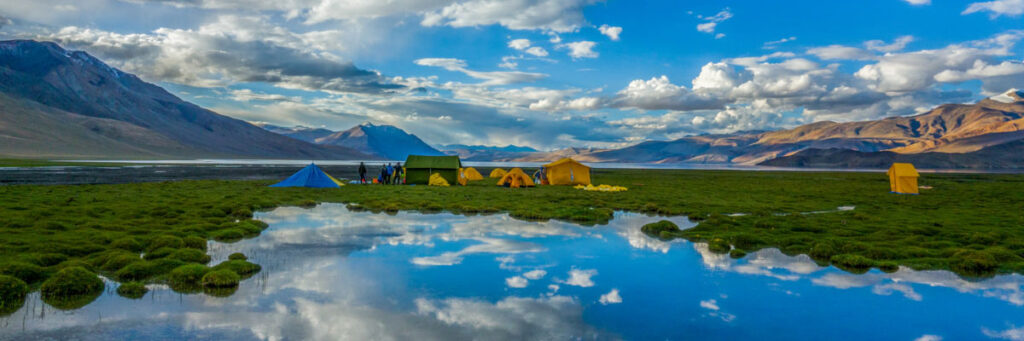
HIMALAYAN WILDLIFE, BIRDS & FLOWERS PHOTOS
Himalayan Wildlife, Birds & Plants
HIMALAYAN DESIGN & CULTURAL PHOTOS
Himalayan Design & Cultural Photos
KAMZANG JOURNEYS GROUP PHOTOS
Kamzang Journeys Groups
KAMZANG JOURNEYS STAFF PHOTOS
Kamzang Journeys Staff
THE KAMZANG FUND & KAMZANG KIDS PHOTOS
The Kamzang Fund
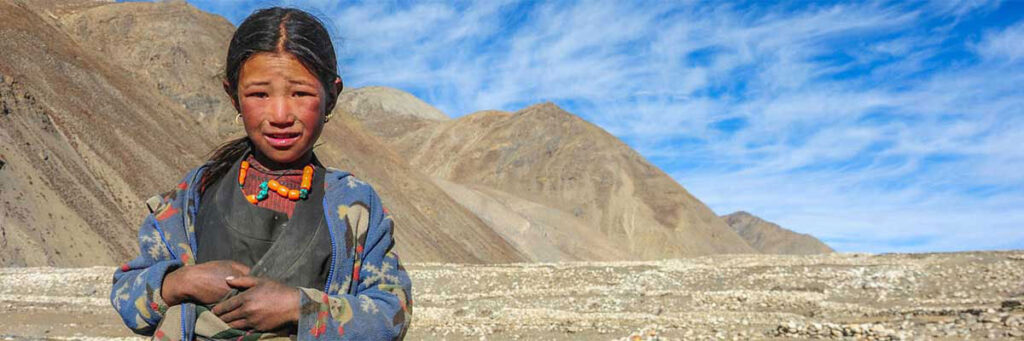
NEPAL JOURNEYS PHOTOS
Nepal Journey
INDIA JOURNEY PHOTOS
India Journeys
TIBET JOURNEYS PHOTOS
Tibet Journeys
BHUTAN JOURNEYS PHOTOS
Bhutan Journeys
MYANMAR (BURMA) JOURNEYS PHOTOS
Myanmar (Burma) Photos
MONGOLIA JOURNEYS PHOTOS
Mongolia Journeys
SOUTHEAST ASIA PHOTOS
South East Asia Photos